


Reading time: 10 minutes
Table of Contents
- Info and Opening Hours
- Introduction
- History of the Sanctuary
- The Cult of Hercules
- Structure and Architecture
- The Peak and the Decline
- Transformation into an Industrial Hub
- Water and Paper Mills of Tivoli
- ENEL’s Contribution
- The Sanctuary Museum
- How to Visit the Sanctuary
- Conclusion
Info and Opening Hours
Ticket Office of the Sanctuary of Hercules Victor:
Via degli Stabilimenti, 5
00019 Tivoli (Rome), Italy
Email:
Phone: +39 0774 382733; +39 0639967900 (call center)
From October 27, 2024 to January 26, 2025:
9:30 AM – 5:00 PM (last entry at 4:00 PM)
From January 27 to March 2, 2025:
9:30 AM – 5:30 PM (last entry at 4:30 PM)
Sunday, March 2, 2025 – free admission on the first Sunday of the month.
Extended opening hours: Sanctuary open until 6:30 PM (last entry at 5:30 PM)
From March 3 to March 29, 2025:
9:30 AM – 6:30 PM (last entry at 5:30 PM)
From March 30 to September 14, 2025:
9:30 AM – 7:00 PM (last entry at 6:00 PM)
From September 15 to September 28, 2025:
9:30 AM – 7:00 PM (last entry at 6:00 PM)
From September 29 to October 25, 2025:
9:30 AM – 6:30 PM (last entry at 5:30 PM)
From October 26, 2025 to January 25, 2026:
9:30 AM – 5:00 PM (last entry at 4:00 PM)
Free admission on the first Sunday of each month, as well as on April 25 (Liberation Day), June 2 (Republic Day), and November 4 (National Unity and Armed Forces Day).
The Sanctuary of Hercules Victor is closed on January 1 and December 25, except for any extraordinary openings announced on this website.
Introduction
When planning a trip to Tivoli, Villa d'Este and Villa Adriana often dominate tourist itineraries. However, nestled within the folds of this charming Lazio town lies one of the most impressive archaeological complexes in central Italy: the Sanctuary of Hercules Victor. This extraordinary monument is among the lesser-known attractions in the area, but by no means less spectacular. In fact, for those eager to discover the more authentic and hidden face of Tivoli, this sanctuary offers a unique experience deeply tied to Roman history.
With its massive structure standing tall over the surrounding landscape, the sanctuary is not only a site of immense archaeological value but also a remarkable example of how ancient structures have been repurposed through the centuries—telling not just one, but multiple stories of adaptation and transformation. It’s a place worth exploring slowly, far from the crowds flocking to the city’s more famous landmarks.
History of the Sanctuary
The Sanctuary of Hercules Victor was built between the 2nd and 1st centuries BCE, during a time when Tivoli (ancient Tibur) was experiencing considerable prosperity. Strategically located along the Via Tiburtina, the complex served not only as a religious site but also as an important commercial and political center. Its construction was likely funded by the profits of trade, especially that of Tiburtine stone (travertine), highly valued in Rome for the construction of prestigious monuments.
Historians believe the sanctuary was built in multiple phases, with an initial core dating to the late 2nd century BCE, followed by expansions and embellishments during the Sullan and Augustan periods. The overall project reflects the ambitions of the Tiburtine ruling class, eager to display their importance and their connection to Rome through a monumental work that could rival the great sanctuaries of Latium of that era.
The Roman history of Tivoli is deeply intertwined with that of the sanctuary. While Rome expanded and consolidated its power, Tivoli maintained a certain autonomy, though it was heavily influenced by Roman culture and politics. The sanctuary thus became a symbol of this complex relationship—a place where local traditions merged with Roman cultural and architectural models.
The Cult of Hercules
The cult of Hercules was particularly prominent in ancient Tibur, where the hero was worshipped under the epithet "Victor" (the Conqueror). Hercules represented not only physical strength but also the protection of travelers, merchants, and soldiers—groups who frequently traveled the Via Tiburtina. Celebrations in his honor involved the entire local population and attracted visitors from neighboring areas, making the sanctuary a hub of social and cultural life.
Ancient sources such as Strabo and Virgil mention the cult of Hercules in Tivoli, confirming the supra-regional significance of the sanctuary. Religious ceremonies included processions, sacrifices, and ritual banquets, blending Italic and Greco-Roman traditions. Worshippers would offer ex-votos—small statues and other votive items—as tokens of gratitude or to request the god's protection, creating a tangible bond between the deity and the community.
Especially intriguing is the link between the cult of Hercules and commercial activity. Epigraphic sources indicate that the sanctuary also functioned as a depot for merchants, who could store their goods under divine protection, paying a fee to the priests. This economic function partly explains the sanctuary’s grand scale and the presence of many spaces used for storage and trade.
Structure and Architecture
From the perspective of Roman architecture, the Sanctuary of Hercules Victor represents a magnificent example of a monumental late-Republican complex. It extends over an area of about 3,000 square meters, structured on multiple levels to adapt to the hilly terrain.
The sanctuary’s structure followed the model of the large Hellenistic sanctuaries of Lazio, such as those in Palestrina and Terracina, characterized by a scenic and terraced layout. The complex was arranged over four main levels, connected by monumental staircases and ramps that created an ascending processional path culminating in the actual temple.
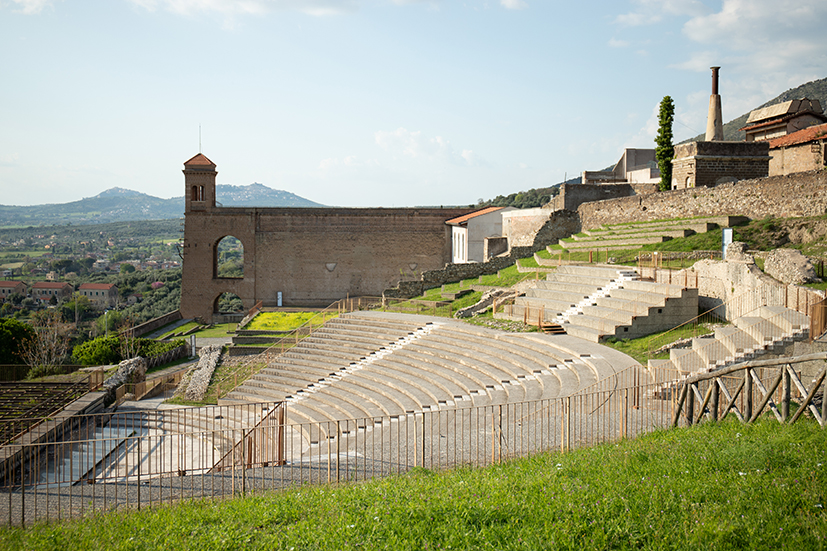
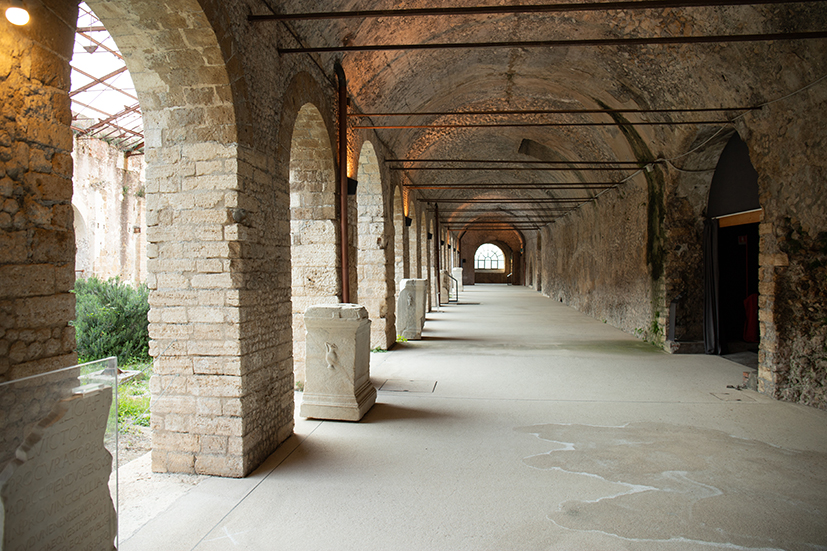
The main entrance was through a monumental semicircular portico (exedra), which led to a vast porticoed terrace. From here, visitors could access the theater, which could host up to 2,500 spectators, and the numerous tabernae (shops) lined along the sides of the terrace. Continuing along the ascending path, one finally reached the temple, located in the highest and most dominant position of the entire complex.
One of the most extraordinary elements of the Roman architecture in the sanctuary is the via tecta, a covered gallery about 150 meters long that allowed the Via Tiburtina to pass through the complex without interrupting its structural continuity. This ingenious solution maintained commercial traffic along the important communication route, perfectly integrating it with the religious function of the sanctuary.
The construction techniques used demonstrate the high technological level reached by Roman architecture during the Republican era. The foundations and substructures were made of opus caementicium (Roman concrete), while the facings were built using opus quadratum in local travertine. The large vaulted ceilings are an important testimony to the evolution of roofing techniques in Roman architecture.
The Peak and the Decline
During the Augustan era, the Sanctuary of Hercules Victor reached its peak, becoming one of the main places of worship in Lazio and a major point of reference for travelers and merchants along the Via Tiburtina. Its importance is evidenced by numerous mentions in ancient sources, including the writings of Strabo and Suetonius.
Emperor Augustus himself showed particular interest in Tivoli, where he owned a villa, and probably contributed to the embellishment of the sanctuary. During this period, the complex was enriched with sculptural decorations, frescoes, and marble coverings, of which only fragments survive today. Epigraphic sources also record donations and restoration works funded by important Roman families, testifying to the social prestige associated with the cult of Hercules.
The sanctuary's rise and fall followed the fate of the Roman Empire. With the crisis of the 3rd century AD, a slow but inexorable decline began. Barbarian invasions and the gradual depopulation of the area weakened the local economy, reducing resources available for maintenance. The final blow came with the rise of Christianity as the empire’s official religion, which led to the abandonment of pagan cults.
Between the 4th and 5th centuries AD, the sanctuary definitively lost its religious function. Some parts were converted into Christian buildings, while others were abandoned or used as quarries for construction materials. Roman history shows us that this fate was common to many ancient monuments, which were "cannibalized" to build churches, palaces, and medieval fortifications.
Transformation into an Industrial Hub
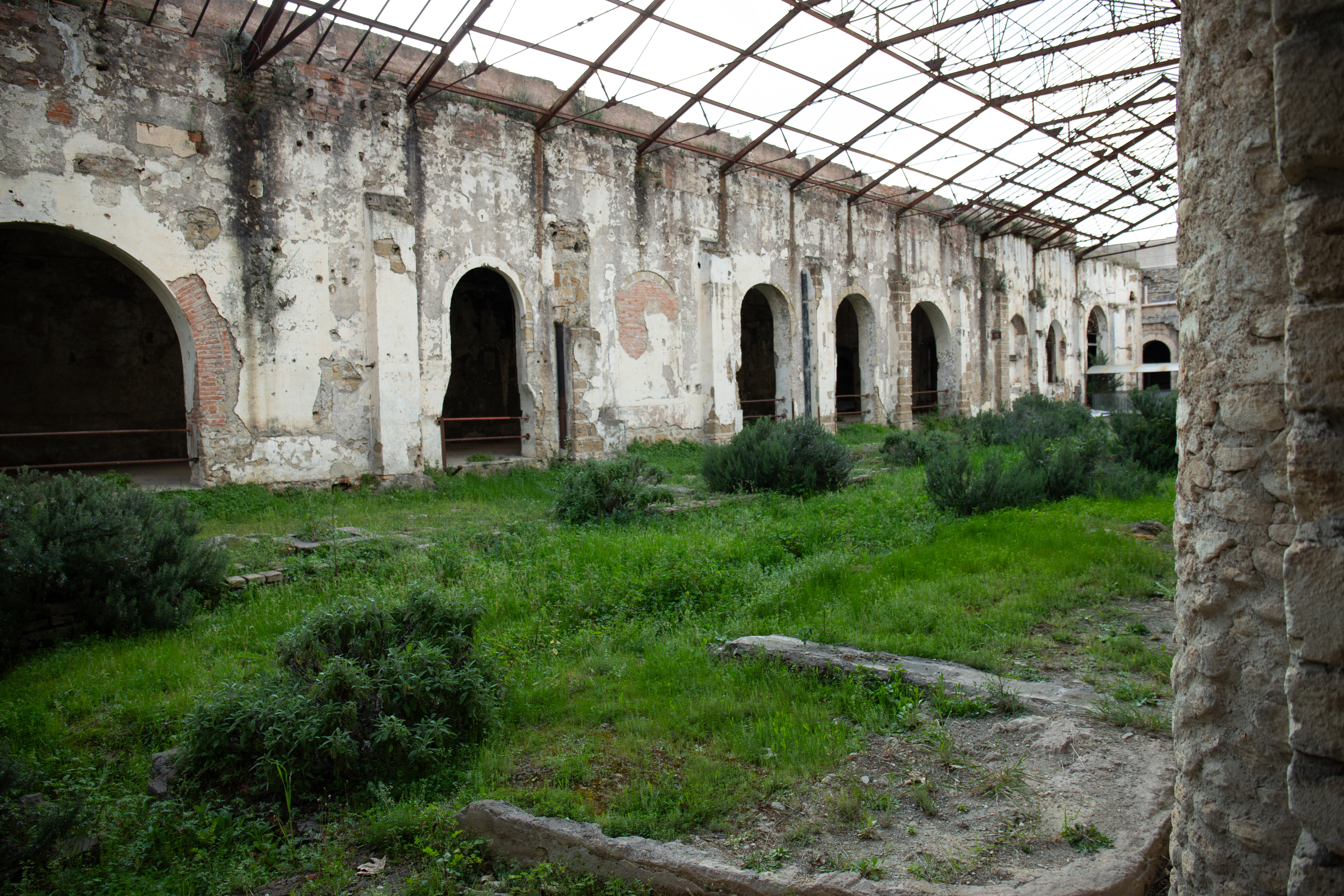
The fate of the Sanctuary of Hercules Victor changed with the construction of Villa d’Este in the 16th century. This Renaissance masterpiece, commissioned by Cardinal Ippolito II d’Este, not only transformed Tivoli’s urban landscape but also had a direct impact on the ancient sanctuary. With the construction of Villa d’Este, the sanctuary ruins were flooded by the villa’s fountains, with a water flow of about 800 liters per second. Rather than causing irreparable damage, this massive influx of water paradoxically became the driving force behind the site's new life.
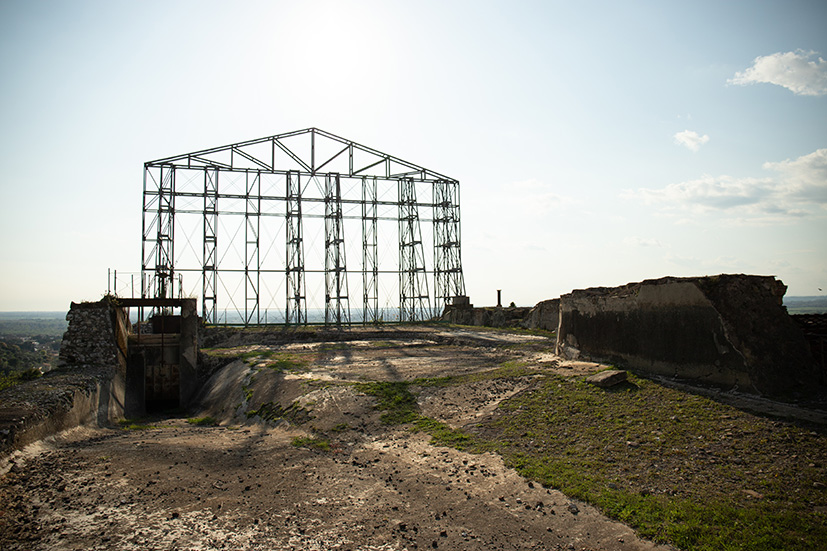
Harnessing this abundant water supply, a foundry and a factory for muskets and arquebuses were established in the sanctuary. The robust Roman structures and the hydraulic energy provided by the canal system of Villa d’Este offered ideal conditions for such metallurgical activities, which required large spaces and a constant energy source. Thus, the transformation of the sanctuary into an industrial hub was underway, marking the beginning of a new era in the monument’s history.
Over the following centuries, with varying success, the site hosted foundries, nail and screw factories, paper mills, and eventually power plants. This evolution followed broader European economic trends, transitioning from artisanal metallurgy to early forms of proto-industrialization and eventually to modern industry. The sanctuary thus became a microcosm reflecting major economic and technological transformations in Western history.
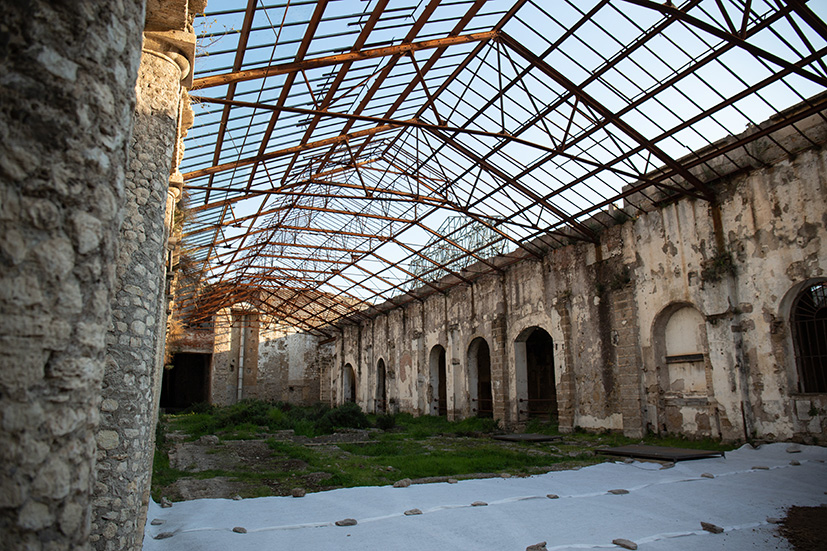
This reconversion is an extraordinary example of the functional reuse of ancient structures. The majestic halls that once hosted religious ceremonies became workshops, warehouses, and factories. While this process partly contributed to the destruction of the original building, it also ensured its survival by preventing it from being entirely dismantled for building materials.
The sanctuary’s transformation into an industrial hub illustrates the ability of medieval and modern communities to adapt ancient heritage to contemporary needs, creating a fascinating architectural palimpsest where each era has left its mark.
Every new productive activity left its imprint on the ancient structures, adapting them to its needs and contributing to the creation of that architectural palimpsest that today makes the site so captivating from an industrial archaeology perspective. Roman vaults were pierced to allow for pipelines and transmission shafts, ancient tabernae were turned into workshops and storerooms, while new brick buildings leaned against the majestic ancient substructures.
While this transformation caused the loss of some original architectural elements, it paradoxically guaranteed the site’s preservation. The industrial use, with its demand for large spaces and solid structures, preserved much more of the ancient layout than would likely have survived if the site had remained abandoned or used only as a quarry.
Water and Paper Mills of Tivoli
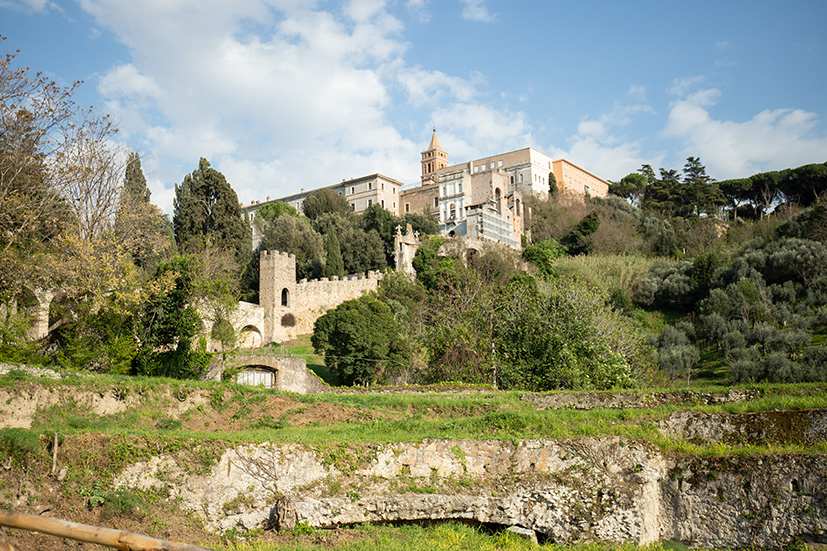
The water from Villa d’Este that flooded the sanctuary became a fundamental resource for the area’s industrial development. Starting in the 18th century, the industry most closely tied to the sanctuary’s fate was the paper industry. Thus were born the famous paper mills of Tivoli, which used hydraulic power to drive the machinery necessary for paper production.
Among the best-known were the "Cartiere di Tivoli," owned by Giuseppe Segrè, father of future Nobel Prize-winning physicist Emilio Segrè. This connection with the Segrè family represents a fascinating link between the site's industrial history and Italy’s great 20th-century science. Emilio Segrè, born in Tivoli in 1905 and raised around his father’s factory, would go on to have a brilliant scientific career that led to the discovery of the antiproton and the Nobel Prize in Physics in 1959.
The Segrè paper mills were cutting-edge for their time, both in production techniques and labor organization. The quality of the paper produced was renowned far beyond the regional borders, and the company was a major economic center for the city, providing employment for many Tivoli families. Production relied on modern machinery but continued to benefit from the centuries-old availability of clean water and hydraulic power, in a functional continuity that spanned the centuries.
The presence of the paper mills left significant traces in the sanctuary area, both in terms of structures (tanks, channels, industrial buildings) and social memory. Many Tivoli families still preserve memories and testimonies related to working in the mills, which for generations were one of the main sources of livelihood for the local population.
With the progress of the 20th century and technological evolution, traditional paper mills gradually became less competitive. The final blow came after World War II, when competition from more modern facilities and the increasing industrialization of the Rome area led to the closure of many historic production activities, including the Tivoli paper mills.
*Book Tours and Activities in Tivoli
**By clicking the banner, you'll be redirected to our partner’s website to book tours and experiences. www.Miasardegna.eu is not responsible for services purchased through external platforms
ENEL’s Contribution
With the decline of the paper industry, the area around the sanctuary saw the emergence of a new industrial use: the production of electricity. Enel (or rather, the companies that preceded it) took advantage of the drop in elevation and the water flow of the Aniene River to build hydroelectric power plants. Some of these structures were integrated into the ancient complex, creating a fascinating contrast between Roman archaeology and modern technology.
The transformation of the site into a hydroelectric plant led to further modifications of the ancient structures, with the installation of turbines, generators, and water flow control systems. The Canevari canal, built to direct water to the turbines, became a distinctive feature of the sanctuary’s industrial landscape, symbolizing its new energy-related function.
The sanctuary’s hydroelectric facilities contributed significantly to the electrification of Rome and its surrounding areas, playing a part in the energy transformation that characterized Italy throughout the 20th century. Energy production continued for decades, making the site one of the longest-standing examples of industrial reuse of an ancient monument.
A pivotal moment in the sanctuary’s recent history came in 1993, when Enel relinquished any claim to the Sanctuary of Hercules and sealed the Canevari canal (whose waters have since been redirected back to the Vesta basin and from there to the Vescovali reservoir), granting full control of the area to the Superintendence. This decision marked the end of the site's industrial era and the beginning of its new life as an archaeological and cultural site.
The transfer of the area to the authority responsible for cultural heritage protection enabled the launch of an ambitious recovery and enhancement project, aimed at making the sanctuary once again accessible as a historical monument. The ongoing restoration works, still in progress in some parts of the complex, aim to preserve not only the original Roman structures but also the significant evidence of its industrial phase, now recognized as an integral part of the site's cultural value.
The sealing of the Canevari canal also allowed for the restoration of a water regime more similar to the original, contributing to the preservation of the ancient structures. At the same time, the memory of the site's industrial use and Enel’s contribution to its history is preserved through the conservation of some machinery and equipment, now integrated into the museum itinerary.
The Sanctuary Museum
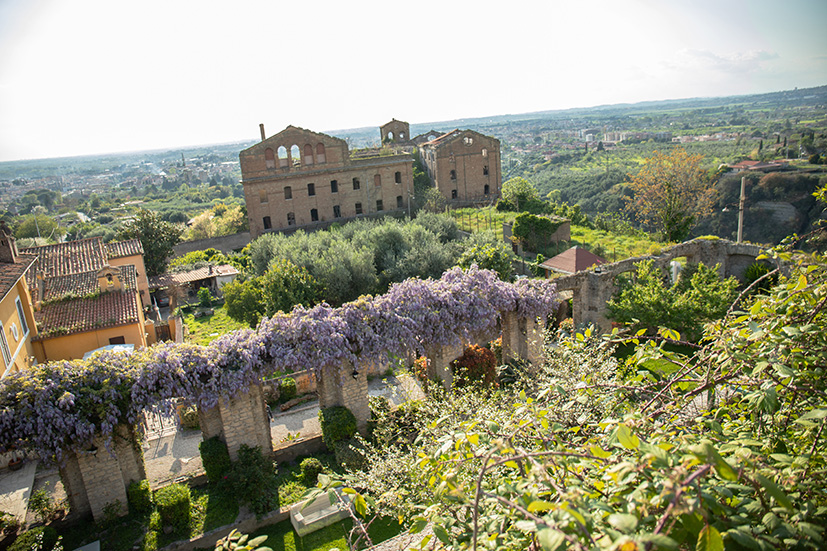
A major turning point in the recent history of the Sanctuary of Hercules Victor was marked by the restoration and enhancement works carried out between 2008 and 2009. These interventions, focused particularly on the theater area, brought to light significant portions of the original structures and made it possible to open the entire complex to the public, thus returning one of the most important monuments of Tivoli’s Roman history to visitors and the local community.
Since September 2016, the management of the sanctuary has undergone further development with the site's inclusion in the autonomous institute that also encompasses other major monuments in the area: Villa Adriana, Villa d’Este, the Mensa Ponderaria, and the Mausoleum of the Plautii. This new entity, named VILLAE, presents itself as an integrated system for the promotion of Tivoli's cultural heritage, capable of creating connections between the archaeological and artistic treasures of the region.
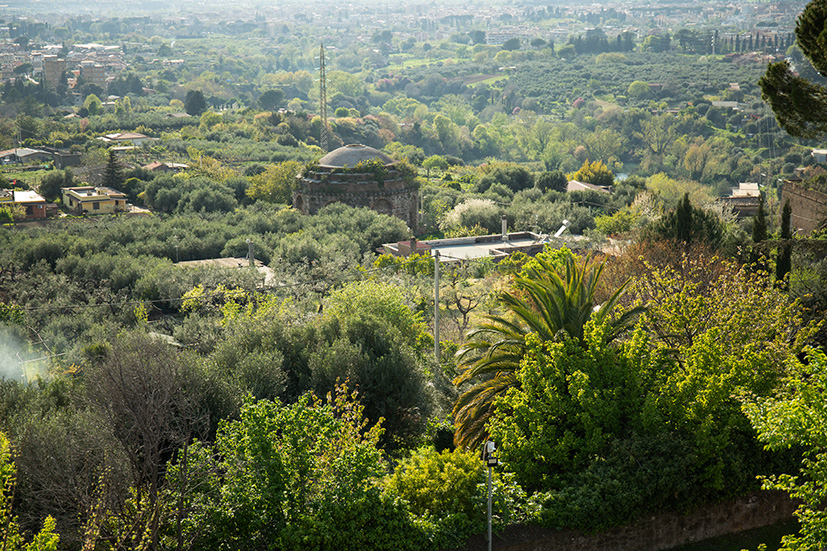
Under the direction of Andrea Bruciati and thanks to the dedication of the technical and scientific staff, the VILLAE Institute has launched a dynamic program of exhibitions and cultural initiatives, which has significantly increased the visibility of the Sanctuary of Hercules Victor and positioned it within a broader network of cultural experiences. This new integrated management represents an innovative model of regional promotion, enhancing not only individual monuments but also the historical, cultural, and landscape connections among the different sites.
Particular attention has been given to accessibility, with the construction of ramps and pathways suitable for visitors with reduced mobility. Spaces have also been created for educational activities aimed at schools, recognizing the complex’s important educational value. It offers opportunities to explore a range of topics, from Roman religion to industrial archaeology, from water management to the evolution of construction techniques.
An important element of the enhancement strategy is the programming of cultural events within the complex. The restored Roman theater, now equipped with a stage, can host concerts, theatrical performances, and cultural events, reviving its original function as a space for entertainment and social gathering. These events help introduce the site to a wider audience and integrate it into the city’s contemporary cultural life.
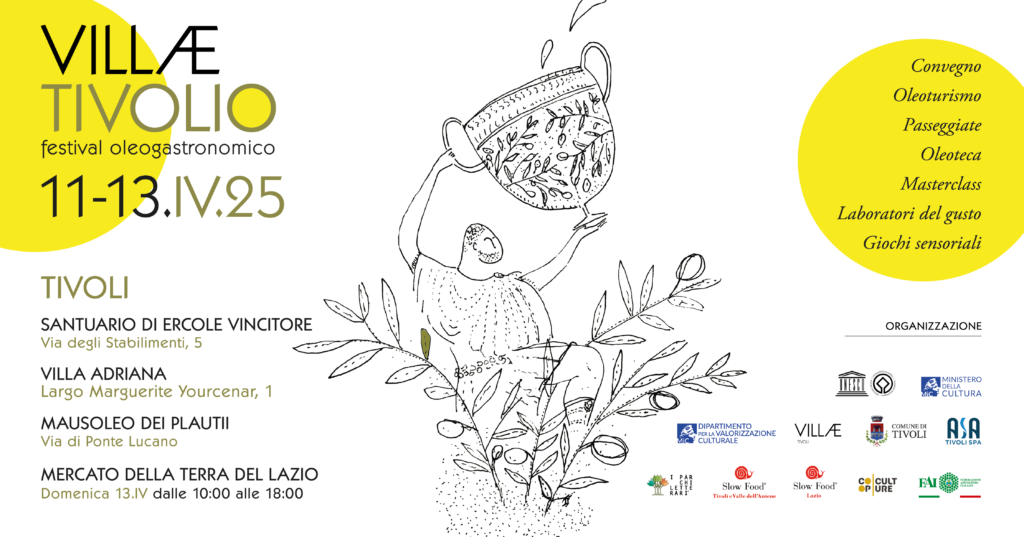
FOR EXAMPLE: From Friday, April 11 to Sunday, April 13, 2025, TIVOLIO returns — the annual olive oil and gastronomy event organized by the Villa Adriana and Villa d’Este Institute – VILLÆ (Tivoli) — to celebrate the culture of the olive tree, high-quality agriculture, and the traditional products that characterize the Mediterranean diet, recognized by UNESCO as Intangible Cultural Heritage of Humanity.
How to Visit the Sanctuary
If you're planning what to see in Tivoli, the Sanctuary of Hercules Victor definitely deserves a place in your itinerary. Less crowded than the famous villas, this site offers an authentic experience of Tivoli’s rich history.
The sanctuary is open to the public year-round, with seasonal opening hours. A full visit takes about two hours and includes both the archaeological structures and the museum. Comfortable shoes are recommended, as the route spans multiple levels and includes stairs and uneven terrain.
For those wishing to deepen their understanding of the site, guided tours are available by reservation. Additionally, during the summer, the Roman theater hosts music and theater performances, offering a unique opportunity to experience these ancient spaces through a contemporary cultural lens.
Conclusion
The Sanctuary of Hercules Victor is one of Tivoli’s hidden gems—a place where Roman history, religion, industry, and nature intertwine in a fascinating narrative that spans millennia. Its complex historical stratification makes it a unique site in the Italian archaeological landscape, capable of telling not only the story of Rome’s greatness but also the ingenuity of later generations who adapted and reused ancient structures.
For those looking for less touristy attractions with high cultural value, this monument offers a rich and stimulating experience, far from the usual routes. Visiting the Sanctuary of Hercules Victor is a journey through time—from the religious ceremonies of ancient Rome, through the industrial fervor of the modern era, to the present day, where these imposing ruins continue to tell their thousand-year-old story.
This article is part of the series "Hidden Treasures of Tivoli", dedicated to the city’s most interesting and lesser-known itineraries. For more on Tivoli’s treasures, check out the articles in this section.
Enjoyed this article?
Support my work and help me create more Sardinia travel guides like this one.

Subscribe to my Newsletter