


Reading time: 7 minutes
Table of Contents
- Introduction
- History and Discovery
- Features and Formation
- The Escala del Cabirol
- How to Reach Neptune’s Grotto
- Opening Hours and Ticket Prices
- What to See Inside
- Capo Caccia and Surroundings
- Practical Tips for Your Visit
- Conclusion
Introduction
Neptune’s Grotto is one of the most fascinating and visited natural treasures in Sardinia. Located at the base of Capo Caccia, a towering limestone promontory facing the city of Alghero, these stunning karst caves attract thousands of visitors from around the world each year, offering a natural spectacle of incredible beauty.
With their millennia-old stalactites and stalagmites, crystal-clear underground lakes, and evocative, expertly lit chambers, Neptune’s Grotto is a must-see for anyone visiting the Alghero area and the northwestern part of the island. The sheer beauty of these sea caves has made them one of the most iconic symbols not only of Alghero but of all Sardinia.
In this article, we’ll explore the history, features, and practical information to help you plan the perfect excursion to Neptune’s Grotto, allowing you to enjoy an unforgettable experience in one of the Mediterranean’s most spectacular natural settings.
History and Discovery
Neptune’s Grotto is named after the Roman god of the sea—a fitting tribute given its position on the edge of the Mediterranean’s crystal waters. The official discovery of this natural wonder dates back to the late 18th century, around the 1700s, when a fisherman from Alghero named Ferrandino stumbled upon the cave’s sea entrance while seeking shelter from a violent storm.
The grotto quickly attracted the attention of both locals and notable visitors. Among them was Charles Albert, Prince of Carignano, who later became King of Sardinia. He visited the cave three times, each time deeply impressed by the majesty and beauty of the limestone formations. His admiration helped spread awareness of Neptune’s Grotto beyond the island’s borders.
Other royal family members and historical figures also showed interest in this natural gem. General and scientist Alberto La Marmora, known for his important studies on Sardinia, gave his name to the famous underground saltwater lake within the cave. Victor Emmanuel, the future King of Italy, also visited the grotto, further confirming its importance among Sardinia’s natural attractions.
However, graffiti and archaeological findings within the cave suggest that it was known in much earlier times and was later used as a refuge by pirates who once plagued Sardinia’s coasts. Legend even claims that the cave was one of the favorite hideouts of the infamous pirate Barbarossa during his raids across the western Mediterranean.
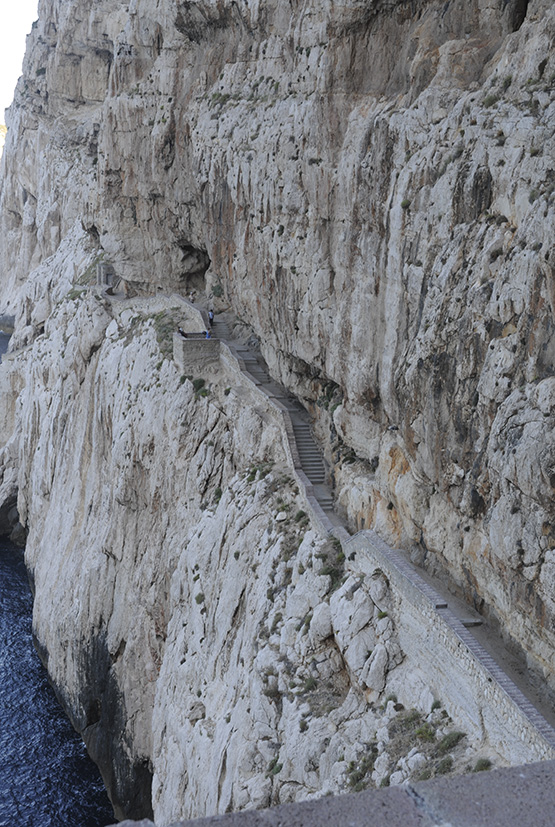
For centuries, the only way to access Neptune’s Grotto was by sea, which limited its accessibility. A major turning point came in 1954 with the opening of the Escala del Cabirol (Roe Deer’s Staircase), designed by renowned Sardinian architect and philosopher Antoni Simon Mossa. This impressive architectural feat stretches for 400 meters and clings to a sheer 119-meter-high cliff, finally allowing visitors to reach the grotto on foot and greatly expanding access.
The opening of the staircase marked the beginning of organized tourism at Neptune’s Grotto, gradually transforming this natural treasure into one of Sardinia’s top attractions. Over the years, internal pathways and lighting systems have been upgraded—always with great care to preserve the delicate balance of this fragile ecosystem.
Capo Caccia’s caves have also been the focus of numerous speleological studies, helping scientists better understand their origin, evolution, and ecological value as a unique habitat for endemic cave-dwelling species. These studies continue to this day, constantly revealing new aspects of this extraordinary karst complex, which, centuries after its discovery, still manages to fascinate and surprise.
Features and Formation
Neptune’s Grotto is one of the most important karst systems in Italy, formed over millennia by the action of water on the limestone rock that makes up the Capo Caccia promontory. The process of limestone dissolution, combined with sea level changes during the ice ages, gave rise to this extraordinary system of underground cavities.
The total length of the cave system stretches for about 4 kilometers, but only a portion of it (approximately 900 meters) is accessible to visitors through a guided and equipped tourist route. Inside, the temperature remains constant at around 20°C (68°F) throughout the year, creating the ideal environment for the formation and preservation of its spectacular limestone formations.
One of the most fascinating features of Neptune’s Grotto is Lake Lamarmora, one of the largest underground saltwater lakes in Europe. With a depth of up to 9 meters, its crystal-clear waters reflect the surrounding rock formations, creating stunning natural light effects.
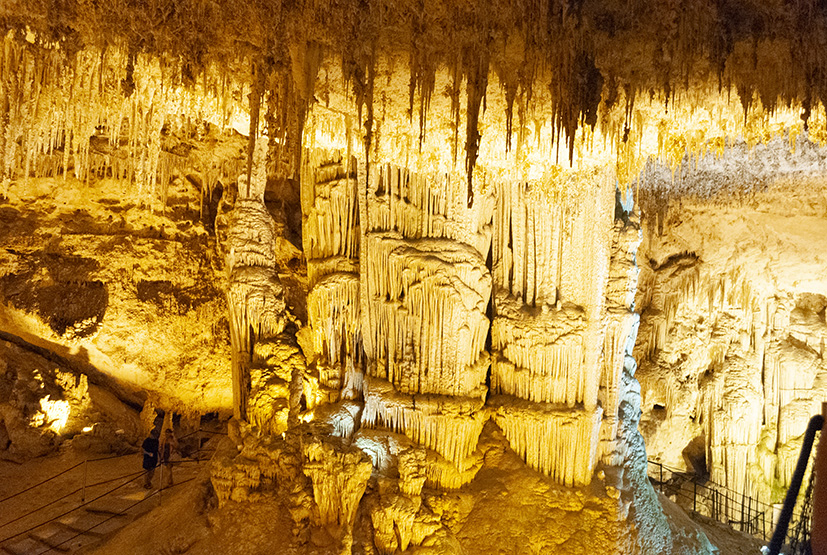
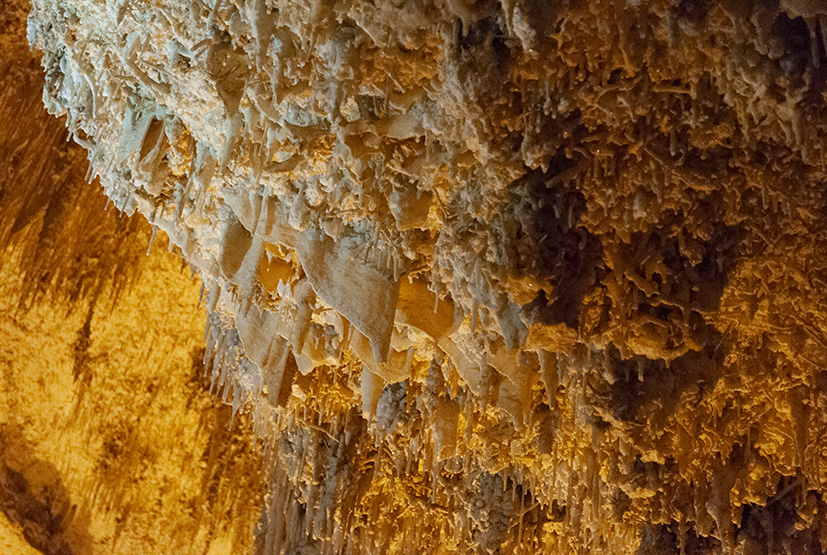
The cave’s concretions are the result of natural processes that have taken millions of years: stalactites hanging from the ceiling, stalagmites rising from the floor, and, in some cases, columns formed by the joining of the two create a dreamlike landscape, as if from a fantasy world.
The Escala del Cabirol
One of the most distinctive—and often talked about—features for those choosing to visit Neptune’s Grotto on foot is undoubtedly the Escala del Cabirol ("Staircase of the Roe Deer" in Catalan). Built in the 1950s to provide land access to the grotto, this impressive architectural feat includes 654 steps winding down the cliffside of Capo Caccia, descending vertically to the sea with an elevation difference of about 110 meters.
Climbing down the Neptune’s Grotto staircase is a physical challenge, especially on the way back up, but it offers breathtaking views over the bay of Porto Conte and the open sea—scenery that makes the effort well worthwhile. The staircase is equipped with handrails and rest areas where visitors can catch their breath and take photos during the descent or ascent.
It’s important to note that the staircase may be closed in case of bad weather conditions, such as strong winds or rain, due to its exposure to the elements. Additionally, because of its steepness and the significant elevation change, it is not recommended for people with mobility issues, heart problems, or vertigo.
The descent takes approximately 20–25 minutes, while the climb back up can take 30–40 minutes depending on individual pace and breaks. It’s therefore essential to plan your visit with these times in mind, in addition to the duration of the guided cave tour itself.
How to Reach Neptune’s Grotto
There are two main ways to reach and visit Neptune’s Grotto: by sea, with a boat excursion from the port of Alghero, or by land, via the famous Escala del Cabirol.
By boat
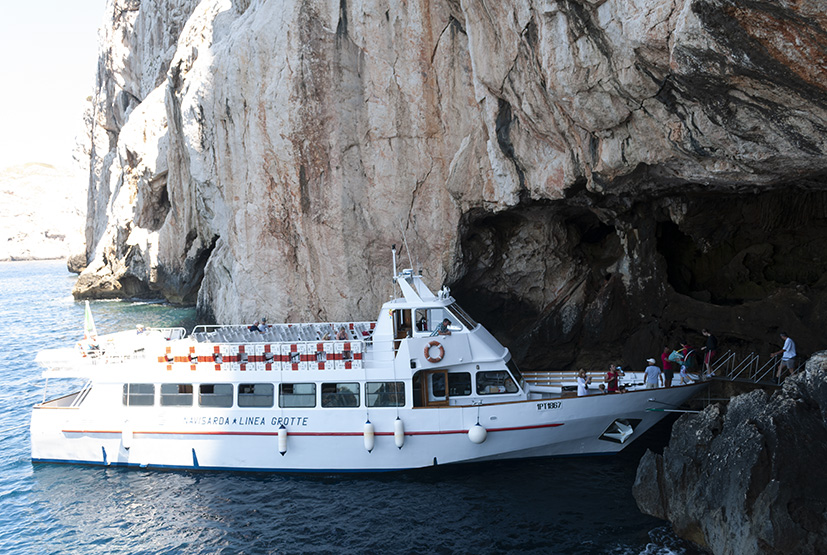
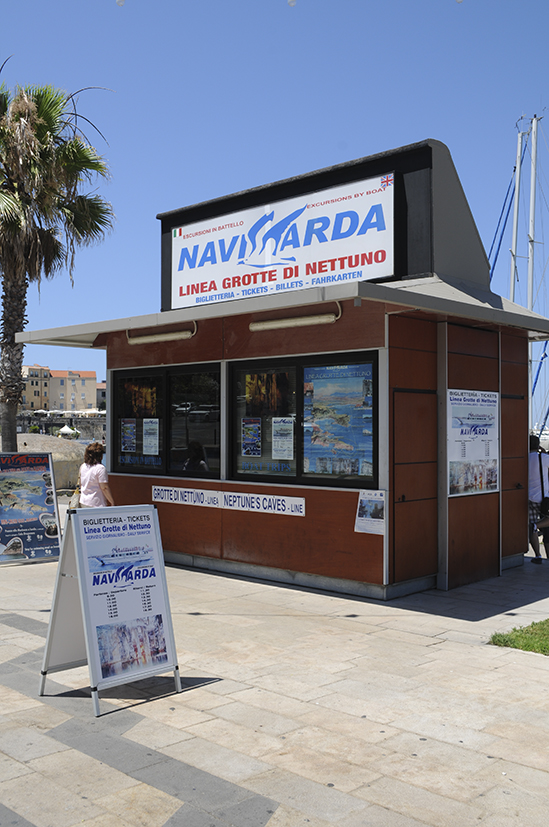
The most popular and convenient option to visit the cave is definitely by sea. Navisarda offers boat trips to Neptune’s Grotto departing from Alghero’s tourist port. These tours typically last around 2.5 to 3 hours in total and include a scenic cruise along the Capo Caccia coastline, allowing passengers to admire the cliffs and rock formations from the water.
Advantages of this option include: avoiding the physical effort of the staircase, enjoying a pleasant boat ride with spectacular coastal views, and experiencing Capo Caccia from the sea—a unique and enchanting perspective. However, it’s important to keep in mind that boat excursions are highly dependent on weather conditions and may be canceled in case of rough seas.
On foot
For trekking enthusiasts and those seeking a more adventurous experience, accessing Neptune’s Grotto on foot is a fascinating alternative. To reach the beginning of the Escala del Cabirol, you first need to get to Capo Caccia, located about 24 km from Alghero.
Capo Caccia can be reached by car via the scenic SP55 road, which offers beautiful views of the Porto Conte bay, or by using the public ARST bus service (Alghero–Porto Conte–Capo Caccia line), which runs with limited departures, especially during the high season.
Once you’ve parked your car in the designated areas (paid parking in summer), a well-marked trail leads you to the start of the staircase. From there begins the descent of the 656 steps that lead to the entrance of the grotto.
This option, while physically more demanding, offers spectacular views and allows visitors to reach the caves even when sea conditions prevent boat access. Additionally, the overall cost is generally lower compared to the boat excursion.
*Book Tours and Activities in Alghero
**By clicking the banner, you'll be redirected to our partner’s website to book tours and experiences. www.Miasardegna.eu is not responsible for services purchased through external platforms
Opening Hours and Ticket Prices
To best plan your visit, it’s essential to know the opening times and ticket prices for Neptune’s Grotto, which may vary depending on the season and the chosen access method.
Neptune’s Grotto is generally open year-round, with extended hours during the summer season (April–October) and shorter hours in the winter months (November–March). In high season, the grotto is usually open from 9:00 AM to 7:00 PM, while in low season the hours are typically from 10:00 AM to 4:00 PM.
Ticket prices for Neptune’s Grotto vary depending on whether you access it by land or by sea:
Access by land (Escala del Cabirol):
-
Adults: approx. €14
-
Children (7–14 years): approx. €10
-
Children under 6: free
Access by sea (boat excursion from Alghero):
-
Adults: €25–€30 (includes boat transport; cave entrance ticket paid separately on-site)
-
Children: discounted rates vary depending on the tour operator
-
Family packages are often available
It’s important to note that ticket prices may change, and it's always advisable to check the latest opening hours and prices by visiting the official website or contacting the Alghero Tourist Office.
The guided tour inside the grotto lasts about 45 minutes and is always led by licensed guides who explain the geological features and curiosities of this fascinating natural environment. Tours depart at regular intervals, usually every 60 minutes.
During the high season (July–August), it is strongly recommended to book in advance—both for boat excursions and access by land—to avoid long waits or the risk of no availability.
What to See Inside
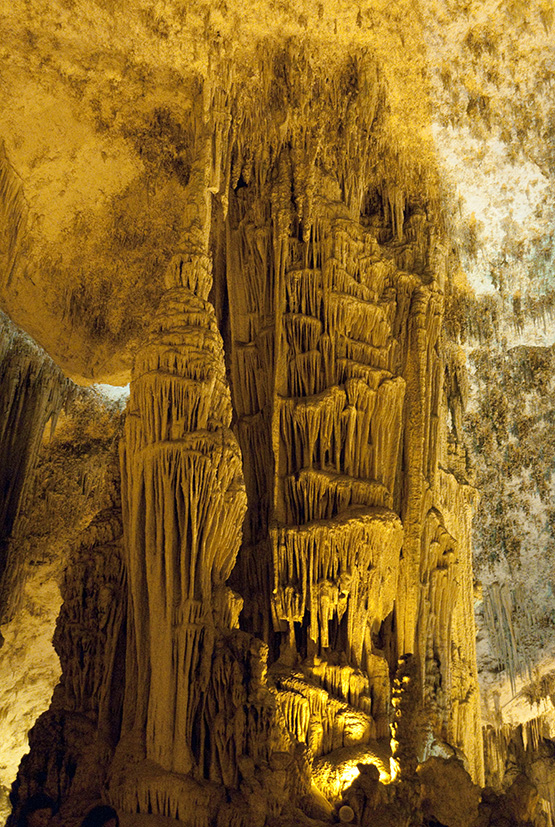
Once you pass the entrance, visitors to Neptune’s Grotto are welcomed into a stunning underground world. The tourist route, approximately 900 meters long and well-lit, allows you to admire the cave’s main chambers and formations.
Some of the most spectacular attractions inside include:
-
The Ruins Hall: the first large chamber encountered, characterized by massive limestone columns that resemble the remains of an ancient ruined temple.
-
Lake Lamarmora: one of the largest saltwater underground lakes in Europe, with crystal-clear waters reflecting the stalactites and creating stunning visual effects.
-
The Organ: a unique stalactite formation that produces sounds similar to those of a musical instrument when gently tapped.
-
The Royal Palace Hall: the largest and most majestic chamber, featuring stalactites and stalagmites that form shapes resembling people and objects, stimulating the visitor’s imagination.
-
The Music Gallery: a balcony above the Royal Palace Hall and the lake.
-
The Pebble Beach: an ancient fossil beach that bears witness to sea level changes over the millennia.
The artistic lighting, designed to enhance the natural beauty of the limestone formations without damaging them, creates a magical atmosphere and allows visitors to appreciate the details and colors of the concretions, ranging from white to pink, amber to brown.
During the guided tour, you’ll not only learn about geological characteristics, but also hear legends and anecdotes related to the cave, making the experience both visually stunning and culturally enriching.
Capo Caccia and Surroundings
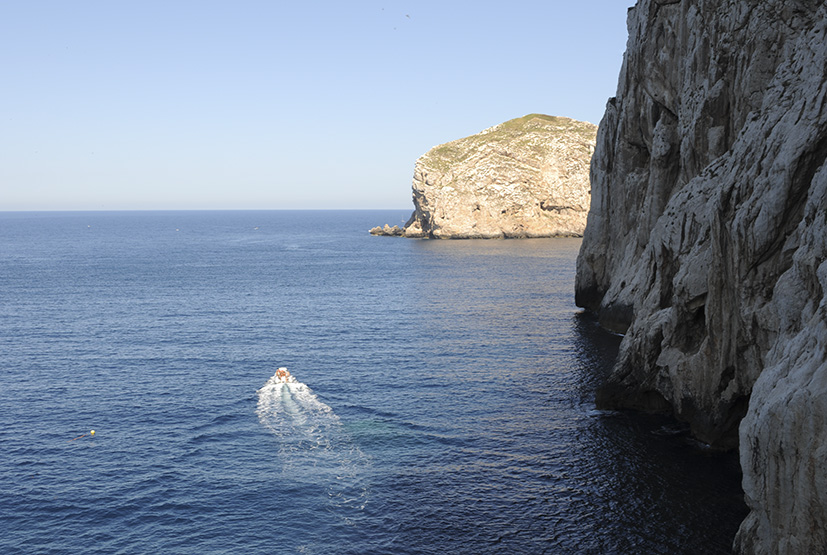
Neptune’s Grotto is just one of the natural wonders in this protected area. The Capo Caccia promontory is part of the Capo Caccia–Isola Piana Marine Protected Area and the Porto Conte Regional Park—ecosystems of extraordinary importance, well worth exploring.
From the top of Capo Caccia, where the lighthouse is located, you can enjoy a 360-degree panoramic view stretching from the Bay of Porto Conte to the island of Foradada and the endless horizon of the Mediterranean Sea. Numerous nature trails wind along the promontory, offering the chance to observe endemic flora and, with a bit of luck, spot peregrine falcons and cormorants.
For diving enthusiasts, the Capo Caccia marine area is one of the Mediterranean’s underwater paradises, with the opportunity to explore sea caves such as the famous Nereo Cave—one of the largest submerged cavities in Europe.
Practical Tips for Your Visit
To make your Neptune’s Grotto excursion an unforgettable and hassle-free experience, here are some practical tips:
-
Check the weather conditions: both boat and land access may be affected by bad weather. In rough seas, boat excursions are canceled, while strong winds may lead to the closure of the staircase.
-
Wear suitable clothing: inside the grotto, the temperature remains constant around 14–16°C (57–61°F), so it’s advisable to bring a warmer layer even in summer. If you choose to go down the staircase, wear comfortable shoes with non-slip soles.
-
Bring water: especially if you're taking the stairs. Staying hydrated is essential, and there are no refreshment points along the path—bring a bottle of water with you.
-
Plan your time carefully: consider not only the 45-minute tour inside, but also travel time, waiting for entry, and, if taking the stairs, time needed for the descent and the climb back up.
-
Book in advance: especially during high season, tickets for boat excursions and land access can sell out quickly.
-
Respect the environment: the grotto is a delicate ecosystem. Do not touch the limestone formations—contact with skin can damage stalactites and stalagmites that took millennia to form. Do not leave any waste behind.
-
Check bus schedules: if you plan to use public transport, confirm the timetable for buses to Capo Caccia, as services are limited, especially in the off-season.
-
Accessibility: unfortunately, due to the natural features of the cave and the presence of numerous steps even inside, Neptune’s Grotto is not easily accessible for people with reduced mobility or wheelchair users.

Conclusion
Neptune’s Grotto is one of the most spectacular natural wonders in Sardinia—a hidden treasure offering a unique experience amid ancient geological formations and breathtaking landscapes. Whether you choose to reach it by sea, enjoying the coastal cruise and views of Capo Caccia, or take on the challenge of the staircase for a more adventurous journey, the grotto will undoubtedly leave you speechless.
The combination of natural beauty, geological significance, and the stunning clifftop setting makes this excursion a must for anyone visiting Alghero and the northwest coast of Sardinia. With good planning and by following the practical tips provided in this guide, you’ll be able to make the most of this extraordinary experience and carry with you unforgettable memories of one of the Mediterranean’s most magical places.
The Capo Caccia Caves are not just a tourist attraction, but a natural heritage to be preserved and respected—a place where nature, over millions of years, has created an underground masterpiece that continues to amaze and fascinate visitors from around the world.
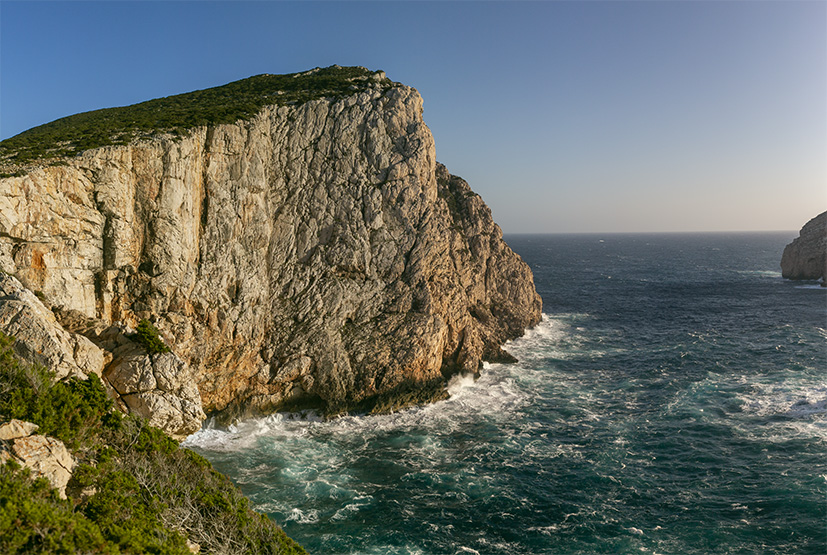
I still remember my first impression of the Cabirol staircase. As I began the descent, I was immediately struck by the grandeur of the rocky cliff rising on one side, and the endless blue of the sea opening up on the other. Every step seemed to bring me closer to a different world, suspended between sky and sea. The vastness of the view created a dizzying sensation that quickly turned into awe. The intense, intoxicating scent of the sea breeze mixed with the aroma of Mediterranean scrub, creating a bouquet of fragrances that I still associate with that moment of pure freedom.
The sea breeze refreshed my face under the Sardinian sun as my eyes got lost in the horizon, where the blue of the sky merged with the blue of the sea in a seamless line. It was at that very moment, halfway down the descent, that I understood why Neptune’s Grotto is not just a tourist destination, but a full sensory experience that stays with you long after the visit.
This article is part of the “Discovering Sardinia” series, dedicated to exploring the island’s hidden gems. For more insights into other Sardinian destinations, check out the other articles in this section.

Enjoyed this article?
Plan Your Perfect Weekend in Alghero – Download the 3-Day Guide!
What’s inside (PDF):
✔ Daily itinerary
✔ Interactive map with recommended spots
✔ Where to eat and drink (local tips!)
✔ Practical info for getting around
📌 Please note: this is not a physical product. It is a digital guide (PDF format) that you can download immediately after purchase.

Subscribe to my Newsletter