


Reading time: 15 minutes
Table of Contents
- Introduction
- History of Bosa
- The Historic Center: Sa Costa
- Malaspina Castle
- Churches and Religious Monuments
- The Temo River and the Old Bridge
- Bosa Marina and the Beaches
- Museums and Culture
- Gastronomy and Local Products
- Bosa Festivals and Traditions
- When to Visit Bosa
- How to Get There and How to Move Around
- Conclusions

Introduction
Nestled between the turquoise waters of Sardinia's western coast and the rolling hills of its interior lies Bosa (Bosa), a picturesque town that seems frozen in time. With its rainbow palette of houses cascading down to the banks of the Temo River, Bosa is undoubtedly one of the most beautiful villages in Italy (uno dei borghi più belli d'Italia). This hidden gem combines natural beauty, rich history, and authentic Sardinian culture in a way that captivates visitors from the moment they arrive.
Unlike the more famous tourist destinations on the island, Bosa offers a glimpse into authentic Sardinian life. The slower pace, friendly locals, and preserved traditions create an atmosphere that feels both nostalgic and refreshing. For travelers seeking to experience the true essence of Sardinia (Sardegna) beyond the glamorous Costa Smeralda or the bustling beaches of the south, Bosa provides the perfect alternative.
From its medieval castle overlooking the town to its unique riverside setting, from its colorful historic center to its pristine beaches, there are numerous things to see in Bosa that make it worth a visit. Whether you're a history enthusiast, a food lover, a beach seeker, or simply someone who appreciates authentic cultural experiences, Bosa has something special to offer.
This guide will take you through all the essential sights, experiences, and practical information you need to make the most of your visit to this Sardinian treasure. Let's explore what makes Bosa one of Sardinia's most charming and underrated destinations.
History of Bosa
The history of Bosa stretches back thousands of years, with the area showing evidence of human settlement since prehistoric times. The Phoenicians and Romans both recognized the strategic value of this location near the mouth of Sardinia's only navigable river, the Temo. However, the Bosa we see today began taking shape during the medieval period.
In the 12th century, the powerful Malaspina family from northern Italy established their presence by constructing a fortress on the hill overlooking the river valley. This defensive position was chosen to protect against the frequent pirate raids that plagued the Sardinian coast. The original settlement, now known as Bosa Vecchia (Old Bosa), was gradually abandoned as the people of Bosa (gente di Bosa) relocated closer to the river, where the current town stands.
During the Aragonese and Spanish domination of Sardinia (13th-18th centuries), Bosa flourished as a river port and became known for its tanneries, which processed leather using traditional techniques. The town's multicultural influences are still visible in its architecture, cuisine, and local traditions.
In the 19th century, Bosa experienced economic growth through industries like textile manufacturing, olive oil production, and fishing. The construction of Bosa Marina (Bosa Marina) in the late 19th century connected the town to the sea with a proper harbor, further enhancing its commercial potential.
Despite modernization, Bosa has managed to preserve its historical character better than many other Sardinian towns. The people of Bosa have maintained a strong connection to their past while adapting to contemporary life, creating a community that values both tradition and progress. This balance is what makes the history of Bosa not just something to read about but something to experience in the town's daily rhythms, architecture, and cultural expressions.
The Historic Center: Sa Costa
The heart and soul of Bosa is undoubtedly its historic center, locally known as Sa Costa (Sa Costa). This enchanting maze of narrow cobblestone streets and rainbow-colored houses climbing up the hillside creates one of the most picturesque urban landscapes in all of Sardinia.
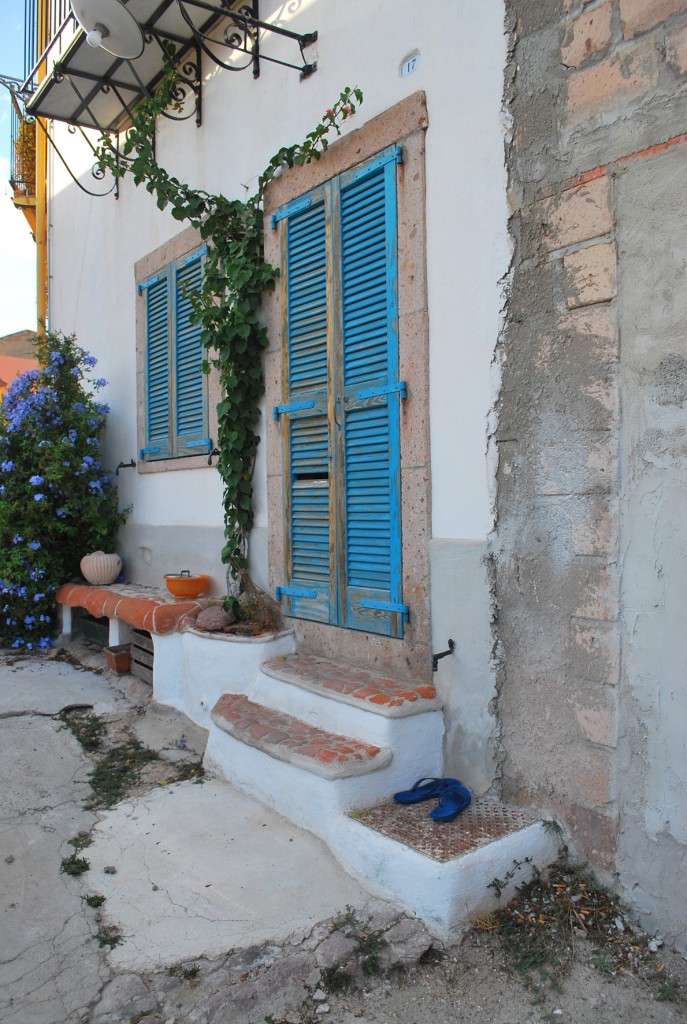
Walking through Sa Costa feels like stepping into a living painting. The houses are painted in vibrant hues of pink, yellow, blue, and orange—a tradition that reportedly began with fishermen who used leftover boat paint on their homes. These colorful facades, adorned with flowering balconies and weathered wooden doors, create perfect photo opportunities at every turn.
Among the things to see in Bosa, the medieval urban layout of Sa Costa stands out for its authenticity. The streets follow a twisting pattern up the hillside, with steps and passages that sometimes lead to unexpected squares or panoramic viewpoints. Unlike many historic centers that have been excessively renovated for tourism, Sa Costa maintains a lived-in feel, with laundry hanging between buildings and locals going about their daily routines.
Notable spots within Sa Costa include Piazza Costituzione (Piazza Costituzione), the main square that serves as the town's living room, and Via Lungo Temo (Via Lungo Temo), the elegant riverside promenade lined with palm trees and pastel-colored buildings. The 19th-century houses along this street, with their wrought-iron balconies and ornate details, reflect the prosperity of Bosa's merchant class during that period.
One of the most interesting things to do in Bosa is simply to get lost in Sa Costa's labyrinthine streets, climbing gradually toward the castle while discovering hidden corners, small craft workshops, and glimpses of local life. As you ascend, the views over the terracotta rooftops, the river, and the surrounding countryside become increasingly spectacular.
Many of the ancient stone houses have been lovingly restored while preserving their original character, some converted into small bed and breakfasts that offer an authentic stay in the heart of historic Bosa. For visitors interested in architecture, the mixture of medieval structures, baroque details, and elements from the Spanish period create a fascinating architectural palimpsest to explore.

Malaspina Castle
Perched dramatically atop Serravalle Hill and visible from almost everywhere in town, Malaspina Castle (Castello Malaspina) stands as the iconic symbol of Bosa. Built in the 12th century by the Malaspina marquises from Tuscany, this medieval fortress has watched over the town and the Temo valley for nearly a millennium.
Among the primary things to see in Bosa, the castle represents both the strategic importance of this location and the architectural prowess of medieval military engineers. Though partially in ruins today, the remaining structures—including the impressive perimeter walls and several towers—give visitors a sense of the fortress's original grandeur.
The climb to Malaspina Castle takes about 15 minutes from the town center via a cobblestone path that winds through the upper reaches of Sa Costa. While somewhat steep, the ascent rewards visitors with increasingly panoramic views of Bosa, the river, and the surrounding countryside. Comfortable walking shoes are recommended for this uphill journey.
Inside the castle grounds, the most significant preserved structure is the Chapel of Nostra Signora de Sos Regnos Altos (Cappella di Nostra Signora de Sos Regnos Altos), dating from the 14th century. This humble chapel contains some of the most important artistic treasures in Bosa: a remarkable cycle of 14th-century frescoes depicting saints and biblical scenes. These well-preserved paintings show Byzantine influences and provide fascinating insight into the religious art of medieval Sardinia.
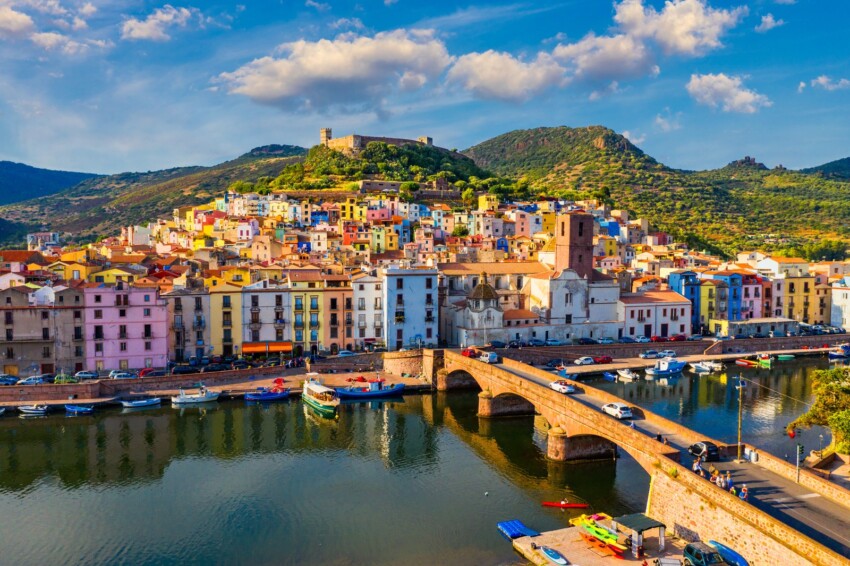
From the castle ramparts, the 360-degree views are simply breathtaking. To the west, the Temo River winds its way to the Mediterranean, with Bosa Marina visible in the distance. To the east, the lush valleys and hills of the Sardinian countryside stretch toward the island's interior. The town itself spreads below in a colorful mosaic, with the river cutting through its center.
For photography enthusiasts, Malaspina Castle offers the best vantage point for capturing Bosa's unique setting, especially during the golden hours of early morning or late afternoon when the light bathes the colorful houses in a warm glow. The castle is open to visitors daily, with a small entrance fee that includes access to the chapel.
Visiting the castle ranks among the essential things to do in Bosa, not only for its historical significance but also for the unparalleled perspective it provides on the town's remarkable geographic setting between river, sea, and mountains.
Churches and Religious Monuments
The religious architecture of Bosa offers fascinating insights into the town's history, artistic heritage, and cultural development. From modest medieval churches to ornate baroque structures, these buildings constitute important things to see in Bosa for visitors interested in art, architecture, or religious history.
Cathedral of the Immaculate Conception
The Cathedral of the Immaculate Conception (Cattedrale dell'Immacolata Concezione) stands as Bosa's principal religious building. Constructed between 1805 and 1810 on the site of an earlier church, the cathedral features a neoclassical façade with clean lines and simple elegance that distinguishes it from the more ornate baroque churches common in Sardinia.
Inside, the cathedral's three naves contain various artistic treasures, including a wooden crucifix from the 16th century, marble altars, and several valuable paintings from the 18th and 19th centuries. The cathedral's pipe organ, dating from 1875, remains one of the finest historical instruments on the island and is occasionally used for concerts.
Located in Piazza Duomo (Piazza Duomo), the cathedral serves as both an active place of worship for the people of Bosa and a significant cultural landmark. Its bell tower offers another excellent viewpoint over the town for those willing to climb its stairs.

Church of San Pietro
For history enthusiasts, the Church of San Pietro (Chiesa di San Pietro) represents one of the most significant things to see in Bosa. Situated on a hillside across the river from the main town, this small Romanesque church dates back to the 11th century, making it the oldest surviving church in the area.
The church's simple stone construction exemplifies early medieval Sardinian architecture. Its location, somewhat isolated from the town center, reflects the history of Bosa's urban development—this area was once the heart of the original settlement before the population moved closer to the river in the medieval period.
Inside, the church preserves fragments of frescoes that rank among the oldest in Sardinia. Though reached by a short uphill walk, the effort is rewarded not only by the historical significance of the building but also by the panoramic views of modern Bosa across the river.
Church of Nostra Signora del Carmelo
Located in the heart of the historic center, the Church of Nostra Signora del Carmelo (Chiesa di Nostra Signora del Carmelo) represents one of the finest examples of baroque religious architecture in Bosa. Built in the 17th century by Carmelite monks, the church features an ornate façade and a richly decorated interior.
The church is particularly notable for its wooden altarpiece, carved by local artisans in the 18th century, and for the small museum of sacred art attached to it. This collection includes religious vestments, silverwork, and procession items that illuminate the religious traditions of Bosa over the centuries.
During religious festivals, especially those honoring the Virgin Mary, this church becomes a focal point for processions and celebrations, offering visitors the chance to witness living traditions that connect today's people of Bosa with centuries of religious observance.
Church of Sant'Antonio Abate
The Church of Sant'Antonio Abate (Chiesa di Sant'Antonio Abate) stands out among Bosa's religious buildings for its distinctive rose-colored façade and its location near the riverfront. Built in the 16th century and later renovated with baroque elements, this church combines architectural styles from different periods.
The church is dedicated to Saint Anthony the Abbot, protector of animals and patron of numerous rural traditions in Sardinia. Its January festival involves the blessing of livestock and bonfires, connecting urban Bosa with its agricultural surroundings.
Inside, visitors can admire several notable artworks, including a wooden statue of the saint from the 17th century and paintings depicting scenes from his life. The church's bell tower, visible from many parts of town, serves as one of the landmarks that help visitors navigate Bosa's winding streets.
The Temo River and the Old Bridge
The Temo River (Fiume Temo) defines Bosa in ways unlike any other Sardinian town. As the only navigable river in Sardinia, the Temo has shaped Bosa's development, economy, and character through the centuries. Today, the riverfront area ranks among the most picturesque things to see in Bosa.
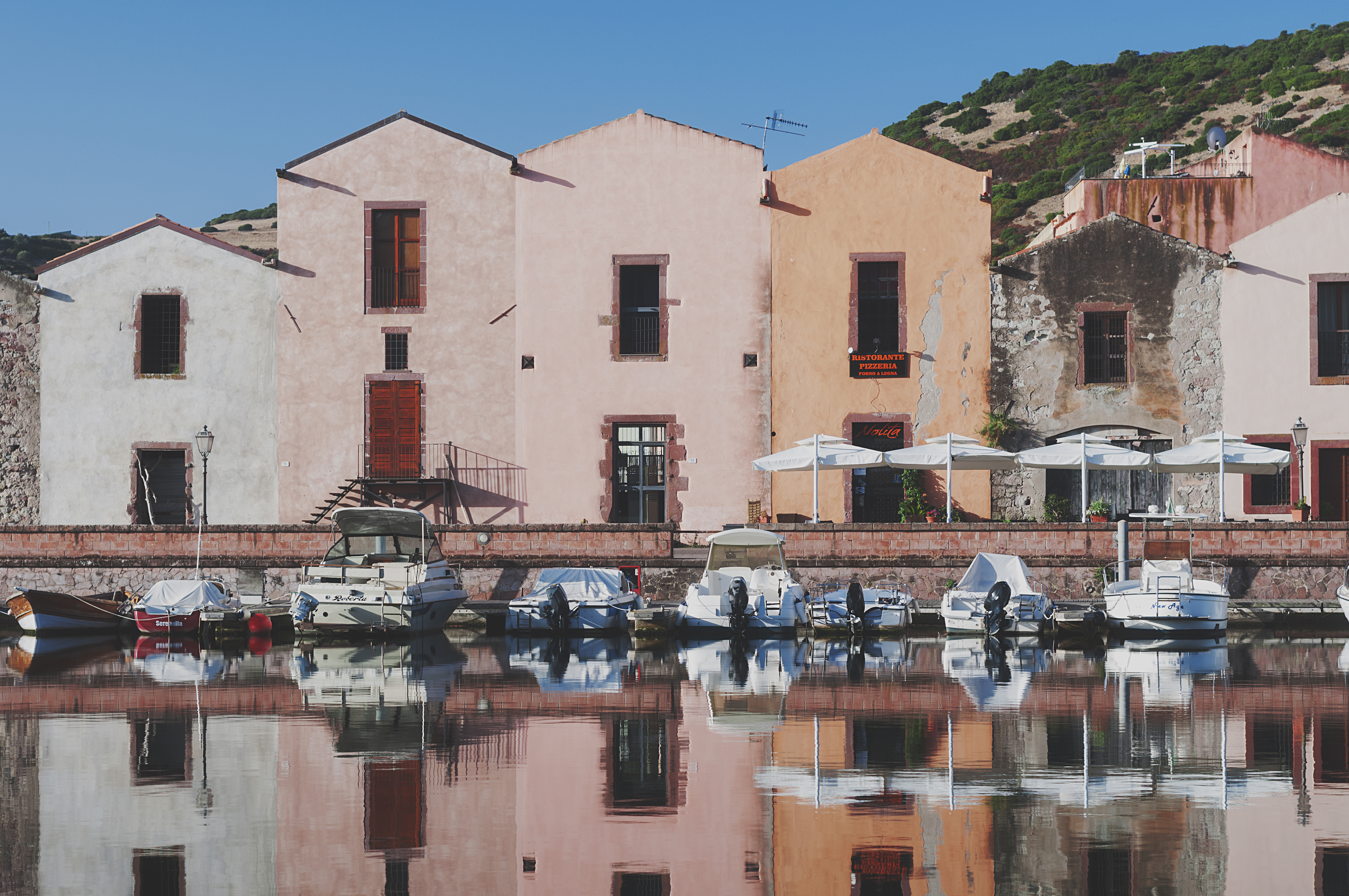
Walking along Via Lungo Temo, the elegant riverside promenade, offers a perfect introduction to the town's unique setting. Lined with pastel-colored houses, palm trees, and small outdoor cafés, this waterfront area serves as Bosa's social hub. The reflections of the colorful buildings in the calm waters create a scene reminiscent of Venice, but with a distinctly Sardinian flavor.
The Old Bridge (Ponte Vecchio), a seven-arched stone structure built in the 19th century, connects the two banks of the Temo and provides one of the most photographed views in Bosa. From the center of the bridge, visitors can capture the perfect composition of colorful houses, the river, and the castle on the hill—a view that encapsulates Bosa's unique charm.
For those interested in exploring beyond the usual things to do in Bosa, river cruises offer a different perspective on the town and its surroundings. Small boats depart regularly from the riverfront, traveling downstream toward the Mediterranean. These trips reveal views of Bosa that can't be seen from land, passing under the old bridge and continuing to the river mouth near Bosa Marina.
If you prefer to explore at your own pace, you can also rent a kayak and paddle along the Temo River, Sardinia's only navigable river. It’s a wonderful way to enjoy nature and reach hidden spots while experiencing Bosa from the water.
Click here to rent your kayak and start the adventure.
Historically, the Temo served as Bosa's connection to the Mediterranean and the wider world. Merchant vessels would sail upriver to unload their cargo in the heart of town, while fishermen used the river as a safe harbor. The tanneries that once formed a crucial part of Bosa's economy lined the riverbanks, using the flowing water in their leather-processing operations.
Today, the river hosts rowing competitions and fishing activities, while its banks provide pleasant spots for relaxation. At sunset, the Temo offers perhaps its most magical aspect, as the golden light reflects off the water and illuminates the colorful facades of the riverside buildings—a perfect time for photography or simply savoring one of Italy's most unique urban landscapes.

Bosa Marina and the Beaches
Just three kilometers from the historic center lies Bosa Marina, the town's seaside extension and home to one of the most beautiful beaches in northwest Sardinia. Connected to the main town by a regular shuttle service in summer, Bosa Marina offers a perfect complement to the cultural experiences of the historic center.
The main beach at Bosa Marina stretches for over two kilometers, with fine golden sand and crystal-clear waters that have earned it the prestigious "Blue Flag" designation for environmental quality and cleanliness. The beach is well-equipped with facilities including sun lounger rentals, showers, and beachfront restaurants, making it suitable for families. The relatively shallow waters near the shore make it particularly safe for children.
For those seeking more secluded bathing spots, several smaller coves can be found along the coast north and south of Bosa Marina. Cala Compoltitu, accessible via a dramatic coastal road, offers a more pristine environment with fewer visitors. Similarly, the beaches near Torre Argentina, an ancient Spanish watchtower, combine historical interest with natural beauty.
Water sports enthusiasts will find plenty of things to do in Bosa Marina, from windsurfing and kitesurfing to paddleboarding and kayaking. The varied conditions—from the protected waters near the river mouth to the more exposed areas further along the coast—accommodate different experience levels.
The marina itself, constructed in the late 19th century, now serves mostly pleasure craft rather than the commercial vessels of the past. The harbor area has developed into a pleasant promenade with restaurants specializing in seafood, shops, and ice cream parlors that come alive especially in the evening hours.
For visitors staying in central Bosa, cycling to Bosa Marina along the riverside path offers a pleasant excursion. The flat, scenic route follows the final stretch of the Temo River as it approaches the sea, passing palm groves and small farms before reaching the coast.
During summer evenings, Bosa Marina becomes a social hub for both tourists and locals, with open-air concerts, markets, and festivals that showcase the hospitality of the people of Bosa. The seafront promenade, illuminated and bustling with activity, provides the perfect setting for the passeggiata (evening stroll) that forms an essential part of Italian summer culture.

Museums and Culture
While smaller than Sardinia's major cities, Bosa offers several museums and cultural attractions that provide insight into the town's unique heritage and traditions. These institutions count among the essential things to see in Bosa for visitors interested in a deeper understanding of local history and craftsmanship.
Casa Deriu Museum
Housed in a beautifully preserved 19th-century bourgeois residence on the riverfront, Casa Deriu Museum (Museo Casa Deriu) offers visitors the chance to step into the world of Bosa's prosperous merchant class. The museum preserves the original furnishings, decorations, and domestic objects of a wealthy local family, providing a glimpse into daily life during Bosa's economic heyday.
Particularly notable are the painted ceilings, elaborate parquet floors, and the collection of period furniture that demonstrate the sophisticated tastes of Bosa's elite. The museum also houses the Pinacoteca Melkiorre Melis, a gallery dedicated to one of Sardinia's most important 20th-century artists who was born in Bosa.
The top floor of Casa Deriu offers a modern exhibition space that hosts temporary exhibitions of contemporary art, creating an interesting dialogue between Bosa's past and present cultural expressions.
Tanneries Museum
One of the most distinctive chapters in the history of Bosa involved its tannery industry, which flourished along the riverbanks from the Middle Ages until the early 20th century. The Tanneries Museum (Museo delle Conce) preserves this industrial heritage in the actual buildings where leather was once processed.
Located in the Sa Concia district near the river, these stone structures with their characteristic architecture have been carefully restored. Inside, visitors can see the original equipment, tools, and vats used in the tanning process, along with exhibits explaining the techniques and the social history of this once-vital industry.
The museum documents not just the technical aspects of leather production but also its impact on Bosa's society and urban development. It tells the story of the tanners' guild, the hard working conditions, and the gradual industrialization that eventually led to the decline of traditional methods.
For visitors interested in industrial archaeology or economic history, the Tanneries Museum offers one of the most authentic things to do in Bosa, connecting the picturesque town of today with its gritty industrial past.
Beyond these formal museums, Bosa's cultural offerings include small galleries showcasing local artists, craft workshops where traditional techniques like filigree jewelry and coral working are practiced, and cultural associations that organize events, concerts, and lectures throughout the year. The town library, housed in a former convent, occasionally hosts book presentations by Sardinian authors, offering insights into contemporary island culture.

Gastronomy and Local Products
The culinary traditions of Bosa represent a delicious chapter in the broader story of Sardinian cuisine, with distinctive local specialties influenced by the town's riverine and coastal setting. Exploring the local gastronomy ranks among the most rewarding things to do in Bosa for food enthusiasts.
Seafood naturally plays a prominent role in Bosa's cuisine. The town's fishermen bring their daily catch from both the river and the sea, supplying restaurants with fresh mullet, sea bass, bream, and eels. A local specialty is burrida alla bosana, a fish that reflects Spanish influences from Sardinia's history.
From the surrounding countryside comes an array of agricultural products that feature prominently in local cooking. The hills around Bosa produce excellent olive oil, with many small producers still using traditional pressing methods. These oils, often made from the native bosana olive variety, exhibit a distinctive peppery finish that complements the robust flavors of Sardinian cuisine.
The town's bread-making traditions deserve special mention. Like many Sardinian communities, Bosa has its own traditional bread varieties, including su cocone, a large, round loaf with a crisp crust and soft interior that accompanies every meal. Visiting a traditional bakery to observe these breads being made in wood-fired ovens counts among the authentic things to see in Bosa.
Wine production represents another significant aspect of local gastronomy. The surrounding region produces the famous Malvasia di Bosa DOC, a fortified wine with ancient origins. This amber-colored wine, ranging from dry to sweet versions, was once considered among Italy's finest and is experiencing a revival thanks to dedicated local producers. Wine tastings at small cantinas provide insight into this traditional product and rank among the most enjoyable things to do in Bosa for oenophiles.
Local restaurants, particularly those away from the main tourist areas, offer the chance to sample authentic dishes like lorighittas (a uniquely shaped pasta) with seafood sauce, various preparations of bottarga (cured fish roe), and porcetto (roasted suckling pig) prepared according to time-honored methods.
For those interested in bringing home local products, Bosa's weekly market (typically held on Tuesday mornings) offers a colorful array of regional specialties, from cheeses and cured meats to honey, jams, and seasonal produce—all showcasing the bounty of this fertile region.
Bosa Festivals and Traditions
The cultural calendar of Bosa is marked by several distinctive festivals and traditions that offer visitors the chance to experience the town's heritage in vibrant, living form. These Bosa festivals (feste di Bosa) provide some of the most memorable opportunities to connect with local culture and observe traditions that have been maintained for generations.
Perhaps the most famous of Bosa's festivals is Carnival (Carnevale), celebrated in February with a unique local character. Unlike the elaborate costume parades found elsewhere, Bosa's Carnival centers around the figure of Giolzi, a straw puppet that represents the carnival spirit. The festivities culminate on Shrove Tuesday when Giolzi is put on trial for various humorous "crimes" before being burned in the main square. Accompanying this ritual are the s'attittidu, groups of men dressed in white who roam the streets with blackened faces, creating a surreal atmosphere that combines humor with ancient symbolic elements.
Another highlight of the Bosa festivals calendar is the Feast of Our Lady of Regnos Altos, celebrated in the first week of September. This religious festival honors the Madonna whose chapel is found within Malaspina Castle. The celebration includes a solemn procession carrying the statue of the Virgin from the cathedral up to the castle chapel, accompanied by traditional costumes, music, and prayers. The evening features open-air concerts, food stalls serving local specialties, and a spectacular fireworks display over the river.
Summer brings several events that showcase the contemporary culture of Bosa alongside its traditions.
When to Visit Bosa
Choosing when to visit Bosa significantly impacts the type of experience visitors will have, as the town's character shifts with the seasons. Each period offers different advantages and possibilities for exploring the many things to see in Bosa.
Summer (June to September) represents the peak tourist season, when Bosa enjoys warm, sunny days with temperatures typically ranging from 25-30°C (77-86°F). These months are ideal for combining cultural exploration with beach activities at Bosa Marina. August sees the highest visitor numbers, particularly during Ferragosto (the August 15 holiday), when many Italians vacation in Sardinia. While this period offers the most active atmosphere, with open-air events, concerts, and lively evening scenes, it also brings higher prices and requires advance booking for accommodations.
Spring (April to May) and early autumn (September to October) provide what many consider the ideal balance for experiencing Bosa. These shoulder seasons offer pleasant temperatures, fewer crowds, and the chance to explore the town's narrow streets and historic sites in relative tranquility. Spring brings wildflowers to the surrounding countryside and the beginning of outdoor café culture, while early autumn coincides with the grape harvest and offers perfect conditions for hiking in the area.
Winter (November to March) presents Bosa in its most authentic state, when tourism recedes and the town returns to its everyday rhythms. While some restaurants and hotels may close during this period, visitors experience a more intimate connection with local life. Winter temperatures rarely drop below 10°C (50°F), making outdoor exploration still comfortable, though rainfall increases. February's Carnival celebrations provide a cultural highlight during this quieter season.
For those interested in Bosa festivals and cultural events, planning a visit around specific celebrations can enhance the experience. The September festival of Regnos Altos, Holy Week processions in spring, and February's distinctive Carnival offer particularly rich cultural immersions.
Photographers might consider the lighting conditions in different seasons. The warm evening light of summer creates magical effects on Bosa's colorful buildings and the river, while the clear winter light can be perfect for capturing the architectural details of churches and the castle.
Ultimately, the best time to visit depends on individual preferences. Those seeking authenticity and deeper cultural engagement might prefer the off-season, while visitors wanting to combine cultural exploration with beach activities will naturally gravitate toward summer months.
How to Get There and How to Move Around
Bosa's somewhat isolated position on Sardinia's western coast contributes to its preserved character but requires some planning when it comes to transportation. Understanding the options for reaching and exploring the town helps visitors make the most of their time discovering the many things to see in Bosa.
Getting to Bosa
By Air: The nearest airports to Bosa are Alghero-Fertilia Airport (about 50 km north) and Cagliari Elmas Airport (about 150 km south). Alghero offers the most convenient option, with a drive of approximately one hour along the scenic coastal road. Both airports have car rental facilities and connections to major European cities, particularly during the summer season.
By Car: Driving remains the most flexible way to reach Bosa. From Alghero, follow the SP105 coastal road, which offers breathtaking views of the Mediterranean. From Cagliari, take the SS131 highway north, then connect to provincial roads. While Sardinian roads are generally well-maintained, the routes to Bosa involve winding sections that require careful driving.

By Bus: ARST, the regional transportation company, operates bus services connecting Bosa with Alghero, Sassari, Nuoro, and other Sardinian towns. These services are reliable but relatively infrequent, particularly on weekends and during off-peak seasons, so advance schedule checking is essential.
By Train: Sardinia's rail network does not reach Bosa directly. The nearest station is in Macomer, about 30 km inland, from where bus connections to Bosa are available. This option works best for travelers exploring multiple Sardinian destinations.
Moving Around Bosa
On Foot: The compact nature of Bosa's historic center makes walking the ideal way to explore its attractions. Most of the key things to see in Bosa lie within a relatively small area, though the climb to Malaspina Castle requires moderate fitness. Comfortable shoes are essential for navigating the cobblestone streets and occasional steep sections.
By Shuttle Bus: During summer, a regular shuttle service connects central Bosa with Bosa Marina, making it easy to combine beach time with cultural exploration. The service typically runs every 30 minutes during daytime hours.
By Bicycle: Bike rental shops in town offer an excellent option for exploring both Bosa and its surroundings. The flat riverside path to Bosa Marina makes for an easy cycling excursion, while more ambitious riders can venture into the scenic countryside. Some accommodations also provide bicycles for guest use.
By Car: While a car isn't necessary for exploring Bosa itself, having one enables visits to nearby attractions like the archaeological site of Tinnura, the prehistoric nuraghe structures in the region, or beaches along the coast that aren't served by public transport. Parking is available in designated areas outside the historic center, which has limited vehicle access.
By Boat: River cruises offer a different perspective on Bosa and count among the unique things to do in Bosa. Small tour boats depart from the riverfront, traveling downstream toward the Mediterranean and providing excellent photo opportunities of the town from the water.
Local taxis are available but not abundant—having a contact number on hand is advisable for specific transfers or evening returns from Bosa Marina. Most visitors find that a combination of walking, occasional shuttle use, and perhaps a rental car for wider exploration provides the optimal balance for experiencing both Bosa and its surroundings.
Conclusions
Bosa represents a Sardinian treasure that perfectly balances authentic local life with tourism infrastructure. As one of the most beautiful villages in Italy, it offers visitors a multi-layered experience that appeals to different interests—from history and architecture to gastronomy and natural beauty.
What distinguishes Bosa from other destinations is its unique setting—a colorful riverside town with a castle above and beaches nearby—and the authentic character it has maintained despite growing recognition. The people of Bosa continue their traditional ways of life alongside tourism, creating an atmosphere where visitors can feel they're experiencing the real Sardinia rather than a destination primarily shaped for tourists.
For travelers seeking to explore beyond Sardinia's famous Costa Smeralda or the busy southern beaches, Bosa provides a compelling alternative. Its manageable size allows visitors to develop a sense of familiarity within just a day or two, while its varied attractions ensure there are always new things to see in Bosa even for repeat visitors.
The town rewards different approaches to travel. Those who enjoy structured sightseeing can work through the historic monuments, museums, and viewpoints systematically. Meanwhile, travelers who prefer to absorb a destination's character more organically will appreciate Bosa's cafe culture, riverside promenades, and opportunities for people-watching in piazzas where locals and visitors naturally mix.
While Bosa can be visited as a day trip from larger Sardinian destinations, staying for at least a few nights allows for a more complete experience—mornings exploring the historic center, afternoons at Bosa Marina's beaches, and evenings enjoying the riverside atmosphere as the town lights up and locals emerge for the traditional passeggiata.
As tourism in Sardinia continues to evolve, Bosa represents a model of sustainable development—growing enough to support quality services and preservation efforts without sacrificing the authentic character that makes it special in the first place. The balance the town has achieved between honoring its past and embracing its future makes it not just a place to visit but a community to connect with.
For those seeking to discover Sardinia beyond the postcard images, Bosa offers a perfect introduction to the island's cultural depth, architectural heritage, and natural beauty. In its colorful streets, ancient stones, and riverside vistas, visitors find a Sardinian experience that remains long in the memory—authentic, beautiful, and distinctly itself.


Subscribe to my Newsletter