

Reading time: 10 minutes
Table of Contents
- A Gastronomic Treasure of the Mediterranean
- Porceddu: The King of the Sardinian Table
- Pane Carasau: The Shepherd's Bread
- Bottarga: Mediterranean Caviar
- Seadas: Sweet Temptation
- Pecorino Sardo: Cheese with Character
- Fregola: Sardinian Pasta with History
- Malloreddus: Sardinian "Gnocchetti"
- Culurgiones: Sardinian Ravioli
- Zuppa Gallurese: Gallurese Bread Pudding
- Torrone: Honey Sweetness with History
- Sea Urchins: Delicacy Straight from the Sea
- Aragosta alla Catalana: Catalan-style Lobster
- Mirto: Drink of the Sardinian Gods
- Cannonau: Wine of Longevity
- Malvasia di Bosa: Liquid Gold of the Western Coast
- Conclusion: A Gastronomic Journey Worth Taking
A Gastronomic Treasure of the Mediterranean
What you need to know about Sardinia is that it's not just about crystal-clear seas, picturesque beaches, and rich history. It's also a true paradise for food lovers. The cuisine of this Italian island is unique: it has preserved its identity through the centuries, carrying traditions without surrendering to innovations and adjustments. Here, they still cook according to recipes passed down from generation to generation, using local ingredients of exceptional quality.
Sardinian cuisine is a separate compelling argument for visiting or even moving to this Mediterranean island. The gastronomic traditions of Sardinia are closely tied to the lifestyle of shepherds, fishing, and agriculture, which gives the dishes a special taste and character.
Traveling around the island, you'll notice that each town in Sardinia offers its own culinary delights. The coast is famous for seafood, the inland areas for meat dishes and cheeses, and some delicacies can only be found in certain places. It's precisely this diversity that makes a gastronomic journey through Sardinia so fascinating.
In this article, I'll tell you about dishes that you absolutely must try when visiting Sardinia, where to find them, and the history behind each one. Get ready — it's going to be a delicious journey!
I remember how in the first months after moving to Sardinia, I literally couldn't stop eating. Each new product, each dish became a discovery. Tomatoes that smelled of sunshine, olives with fleshy pulp and rich flavor, cheeses that varied from village to village... Everything was so fresh, so authentic, and smelled of the island that my relationship with food changed forever.
It was through local cuisine that I got to know and love Sardinia, its traditions and culture. I sincerely believe that nothing reveals the culture of a country or region to us like food and drinks!
Porceddu: The King of the Sardinian Table
If there's one dish that can be called the symbol of Sardinian cuisine, it's undoubtedly Porceddu — suckling pig roasted in a special way. This is not just food, but a true ritual, a testament to the rich pastoral traditions of the island's interior regions.
Porceddu is prepared from suckling pigs no older than 40 days and weighing about 4-5 kg. The cooking process is lengthy and requires special skill. The piglet is skewered and slowly roasted over an open fire of juniper or myrtle wood for 3-4 hours, periodically basted with salt water to keep the meat juicy while the skin becomes crispy.
What gives this dish its special flavor are the local herbs: myrtle, rosemary, and sage that grow on the hills of Sardinia. The finished porceddu has a perfectly crispy golden crust and incredibly tender, aromatic meat inside that literally melts in your mouth.
The best places to taste this dish are rural agriturismos in the mountainous regions of central Sardinia, especially in the Barbagia region. Here it's often served on large wooden platters with a side of potatoes and roasted vegetables. Although this is precisely the dish that can be found and tried in absolutely any town in Sardinia.
Pane Carasau: The Shepherd's Bread
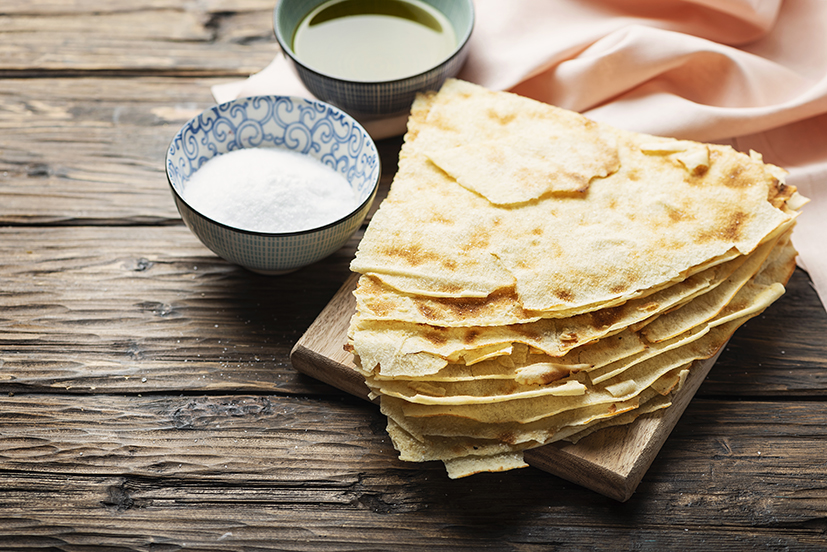
Pane Carasau is a traditional Sardinian bread that locals call "carta da musica" (music paper) because of its thinness and the crispy sound it makes when broken. The history of this bread is rooted in the culture of the island's shepherds.
The main feature of Pane Carasau is its longevity. Being very thin and well-dried, it can be stored for months without losing its taste qualities, which made it an ideal food for shepherds who spent a long time away from home, driving herds through mountain pastures.
This bread is made from simple ingredients: finely ground flour, water, salt, and yeast. The dough is rolled into very thin round cakes, which are quickly baked in a hot oven. Under the influence of hot air, the flatbread dough inflates like a ball. After that, it is cut into two parts to get two almost transparent circles.
Pane Carasau is versatile in use. It is eaten as a standalone dish, drizzled with olive oil and sprinkled with salt, used as a base for various appetizers, or soaked in broth or water to prepare other dishes, such as "Pane frattau" — a layered dish with tomato sauce, eggs, and cheese.
The best Pane Carasau can be found in the Nuoro region, where ancient traditions of its preparation have been preserved. Many local bakeries still use traditional wood-fired ovens, which give the bread a special aroma.
Bottarga: Mediterranean Caviar
Bottarga is salted, dried mullet or tuna roe, also known as "Sardinian gold" due to its characteristic golden-amber color and high value. This delicacy has an ancient history dating back to Phoenician times.
The process of preparing bottarga is quite labor-intensive. The roe sacs are carefully extracted from the fish, washed, salted, and pressed between wooden boards to remove air and excess moisture. They are then left to dry in a cool, well-ventilated place for several weeks or even months.
The finished bottarga has a firm consistency, which allows it to be sliced into the thinnest slices. It has a rich, salty taste with pronounced marine notes. The intensity of the flavor makes bottarga ideal for transforming even the simplest dish.
Traditionally, bottarga is sliced thinly and served as an appetizer with olive oil and lemon. It's also grated onto pasta (the dish "Spaghetti alla bottarga" is especially popular), added to salads, or used to prepare sauces. A winter salad of thinly sliced artichokes and bottarga is very delicious.
The best bottarga can be found in coastal towns of Sardinia's western coast, especially in Cabras and Oristano. Cabras, located near a lagoon where the best mullet is harvested, is considered the capital of bottarga. Very often on the island, bottarga fairs are held where you can taste and buy roe from a wide variety of producers.

Seadas: Sweet Temptation
Seadas (or sebadas) is a traditional Sardinian dessert, consisting of a large fried pastry with cheese filling, drizzled with honey. This dish, like many others in Sardinia, has pastoral origins and was initially served not as a dessert, but as a main course at the end of winter when cheese began to spoil.
To prepare seadas, unleavened dough made from flour, lard or olive oil, and water is used. The filling is made from young pecorino cheese (pecorino fresco), which is slightly soured and melts when heated. The cheese is mixed with lemon zest, giving the filling a fresh, citrusy aroma.
The dough and filling are formed into large pastries about 10-15 cm in diameter, which are then fried in oil until golden. The finished seadas are served hot, drizzled with local mountain honey, which creates an amazing contrast with the salty cheese.
The taste of seadas is unique: the combination of salty, moderately sharp cheese, neutral dough, fresh citrus notes, and sweet floral honey creates a harmonious composition that surprises and conquers from the first bite.
Seadas can be tried as a dessert in any restaurant in Sardinia.

Pecorino Sardo: Cheese with Character
Pecorino Sardo is a hard sheep's milk cheese, one of the most famous Sardinian products, protected by the DOP certificate (Denominazione di Origine Protetta - Protected Designation of Origin). This cheese is an integral part of Sardinian culture and history, closely linked to sheep farming.
There are two main types of Pecorino Sardo:
- Pecorino Sardo Dolce (young) - matures for 20-60 days, has a soft texture and a delicate, slightly sour taste with milky notes.
- Pecorino Sardo Maturo (aged) - matures for at least 5 months, has a hard texture, intense aroma, and rich, piquant flavor with a slight sharpness.
The production of Pecorino Sardo includes several stages: freshly milked sheep's milk is heated, rennet is added for curdling, the resulting mass is molded, salted, and left to mature in cool rooms. During the maturation process, the cheese rind is sometimes rubbed with olive oil.
Pecorino Sardo is versatile in use: young cheese is perfect for sandwiches and light appetizers, while aged cheese is ideal for grating onto pasta, risotto, or adding to sauces. Traditionally in Sardinia, it is served at the end of a meal with local honey, fresh fruits, or fig jam, creating a harmonious combination of salty and sweet.
The best Pecorino Sardo is produced in the central mountainous regions of the island, especially in the provinces of Nuoro and Sassari. Many small family farms offer tours and tastings where you can learn about the production process and try cheese of different aging periods.
Fregola: Sardinian Pasta with History
Fregola (or fregula) is a unique Sardinian pasta, resembling large couscous. It is hand-rolled from durum wheat semolina, water, and salt, then dried and lightly toasted, which gives the pasta a distinctive nutty flavor and golden-brown color.
The history of fregola dates back more than a thousand years, and many researchers believe it appeared on the island due to close contacts with North Africa. Despite its external similarity to couscous, fregola has its own unique character and holds a special place in Sardinian cuisine.
The size of fregola pearls can vary from small (like poppy seeds) to large (like peas). The texture of cooked fregola is simultaneously elastic and tender, with a pleasant roughness that excellently holds sauces.
The most traditional way to prepare fregola is in broth with clams and shrimp (Fregola con arselle). It is also used to prepare soups, risotto-like dishes, and even desserts, cooking it in milk with honey and fruits.
The best fregola can be found in the southern regions of Sardinia, especially around Cagliari and on the Sulcis peninsula. Many local restaurants, especially in coastal towns, offer fregola with seafood caught that same day.

Malloreddus: Sardinian "Gnocchetti"
Malloreddus, also known as "gnocchetti sardi" (Sardinian gnocchetti), is a traditional pasta from southern Sardinia. Their name comes from the Sardinian word "malloru," meaning "calf," and refers to the pasta's shape resembling small bulls.
Malloreddus have a distinctive shape: small twisted shells with ridges on one side, perfectly suited for holding sauces. Traditionally, they are made from durum wheat, water, and a pinch of saffron, which gives the pasta a slight yellowish tint and subtle aroma.
In the past, every housewife made malloreddus by hand, forming them with the thumb against a special woven basket or cheese grater. This process created the famous ridges on the pasta. Today, although machines exist for producing malloreddus, in many homes and restaurants they are still made by hand, especially for special occasions.
The classic dish using malloreddus is "Malloreddus alla campidanese," where the pasta is served with a sauce made from pork sausage, tomatoes, saffron, and grated pecorino. This rich, aromatic sauce perfectly complements the texture of the pasta, filling each ridge.
The best malloreddus can be found in the southern region of Sardinia, especially in the province of Cagliari and the Campidano region. Traditional trattorias here often offer different variations of this dish, including versions with seafood or wild boar.
Culurgiones: Sardinian Ravioli
Culurgiones are the Sardinian version of ravioli, distinguished by their special shape and closing technique. These dumplings originate from the Ogliastra region in eastern Sardinia and are a true work of culinary art.
The dough for culurgiones is made from durum wheat flour, water, and a pinch of salt. The filling traditionally consists of mashed potatoes mixed with mint, garlic, and grated pecorino cheese (sometimes fresh cheese is also added). However, the main feature of culurgiones is their closing technique, called "a spighitta," resembling the weaving of an ear of wheat. This method requires significant skill and is passed down from generation to generation.
The finished culurgiones are boiled in salted water and served with a simple tomato sauce and grated pecorino or simply with melted butter and sage. Thanks to the tender potato filling with the aroma of mint and garlic, highlighted by the salty cheese, and the thin dough, this dish has a surprisingly harmonious taste.
The most authentic culurgiones can be found in the Ogliastra region, especially in the towns of Sadali, Seui, and Ulassai. Here, in many restaurants, they are still made by hand, preserving the traditional "a spighitta" closing technique.

Tasting Sardinian products is a delight—but making them with your own hands takes the experience to a whole new level. If you're passionate about traditional food and want to dive deeper into local culture, consider joining a Culurgiones cooking class in Ogliastra, guided by a true expert in the field.
Hosted on a charming estate in the countryside near Jerzu, this hands-on experience is led by Lidia Muceli, who has over forty years of experience in Sardinian pasta-making. You’ll learn the history behind Culurgiones d’Ogliastra, discover the traditional ingredients like su fiscidu or casu e fitta, and practice the iconic spighitta closure technique that makes these stuffed pasta pockets so unique.
Click here to book your authentic Culurgiones cooking class.
Zuppa Gallurese: Gallurese Bread Pudding
Zuppa Gallurese (or suppa cuata) is not a soup in the conventional sense, but rather a casserole of bread and cheese, characteristic of the northern region of Sardinia - Gallura. This dish reflects the pastoral traditions of the region and the philosophy of "wasting nothing," as it was originally prepared to use stale bread.
To prepare this dish, Pane Casareccio (local Sardinian bread) or Pane Carasau is used, sliced thinly. The bread is layered in a deep baking dish, alternating with fresh pecorino cheese, grated aged pecorino, and sometimes thin slices of onion. Each layer is drizzled with hot meat broth (usually beef or lamb).
The casserole is covered with a final layer of grated cheese and baked in the oven until a golden crust forms. The result is a dish with a crispy top and a soft, broth-soaked middle. The taste of Zuppa Gallurese is rich and cheesy, with notes of meat broth and a slight sharpness from the aged pecorino.
The best Zuppa Gallurese can be found in the northern regions of Sardinia, especially in the towns of Tempio Pausania and Olbia. This dish is often served in agriturismos, where it is prepared according to family recipes passed down from generation to generation.
Torrone: Honey Sweetness with History
Torrone is a traditional Sardinian nougat that differs significantly from its continental Italian counterparts. Sardinian torrone has deep historical roots, dating back to the times of Arab and Spanish influence on the island, but over time it has acquired its own unique local characteristics.
Classic Sardinian torrone is made from just three ingredients: local mountain honey, egg whites, and peeled almonds or walnuts. The preparation process itself is a true art, requiring patience and skill. Honey is slowly heated in copper pots, then whipped egg whites are added and the mixture continues to be heated, constantly stirred with a wooden spoon until it thickens. At the last moment, roasted nuts are added, and the entire mixture is placed on special wooden boards where it's allowed to cool and harden.
The texture of authentic Sardinian torrone is a special pride of the islanders. Unlike hard continental nougat, the Sardinian version is soft and chewy, melting in the mouth, with a distinct taste of local honey, which can vary from delicate floral notes to richer, almost smoky shades, depending on the production region.
Different variations of torrone can be found in different parts of Sardinia. In the Barbagia region, orange or lemon zest is traditionally added for aroma. In Ogliastra, dried figs or raisins are sometimes included. And in some mountain villages, a special version is made with the addition of local herbs.
The best place to taste authentic torrone is the town of Tonnara in the province of Nuoro, where an annual festival dedicated to this dessert is held. It's also worth paying attention to small family productions in mountain villages, where torrone is still made by hand according to ancient recipes.
Torrone is not just a sweet treat, but an important part of Sardinian festive tradition. It's prepared for weddings, christenings, and other significant events, as well as for Christmas and Easter holidays. After trying real Sardinian torrone with a cup of strong espresso or a glass of local dessert wine, you'll understand why this sweet is so valued on the island.

Sea Urchins: Delicacy Straight from the Sea
Sea urchins (ricci di mare) are one of Sardinia's most prized seafood delicacies. They are collected along the rocky shores of the island during the winter months, when the urchins' gonads (roe) reach their best condition - full, bright, and especially flavorful.
In Sardinia, sea urchins are traditionally eaten raw, cutting the shell in half and scooping out the bright orange roe with a spoon or piece of bread. The taste of sea urchin roe is unique: it is simultaneously sweet and salty, with pronounced marine notes and a light iodine aftertaste. The texture is delicate and creamy, literally melting in the mouth.
Besides being eaten raw, sea urchin roe is used to prepare pasta - spaghetti ai ricci di mare, where the simplicity of preparation (pasta, olive oil, garlic, and urchin roe) highlights the incomparable taste of the main ingredient.
Sea urchins are a seasonal delicacy, and their harvest is strictly regulated to preserve the population. The best time for tasting them is from December to March. During this time, many coastal towns in Sardinia hold sea urchin festivals, where you can try this delicacy in various forms.
The best places for tasting sea urchins are the western and northern coasts of Sardinia, especially Alghero, Bosa, and Castelsardo. Here, many simple coastal restaurants (often called "chioschi") serve the freshest urchins collected that same morning.

Aragosta alla Catalana: Catalan-style Lobster
Aragosta alla Catalana (Catalan-style lobster) is an exquisite dish originating from the northwestern coast of Sardinia, especially from the city of Alghero, where the influence of Catalan culture is strong. Despite its name, this dish has become an integral part of Sardinian cuisine.
The main ingredient is the red spiny lobster (Palinurus elephas), which inhabits the waters around Sardinia. These lobsters are renowned for their tender, slightly sweet meat, which is considered more refined than that of regular lobsters.
To prepare aragosta alla catalana, the lobster is boiled in salted water with bay leaves, then cooled, cut lengthwise, and served on a plate with a salad of fresh tomatoes, red onion, celery, and sometimes avocado. All this is drizzled with a sauce made from lemon juice, high-quality olive oil, salt, and freshly ground black pepper. Sometimes basil or parsley is added for aroma.
This dish impresses with its freshness and harmony of flavors: the sweet lobster meat perfectly complements the acidity of tomatoes, the sharpness of onions, and the fresh notes of lemon sauce.
The best places to taste aragosta alla catalana are coastal restaurants in Alghero, Bosa, and Castelsardo. This dish is considered festive and quite expensive, as red spiny lobsters are a rare and valuable resource.
Mirto: Drink of the Sardinian Gods
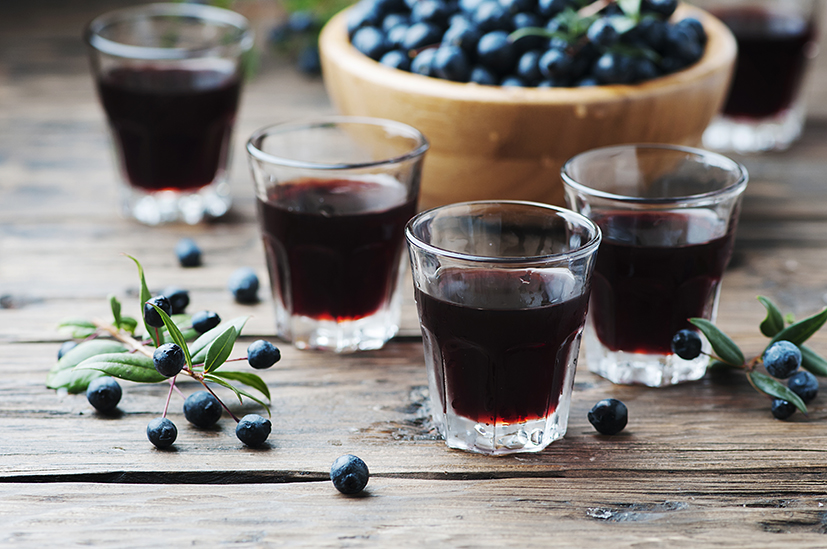
Mirto is a traditional Sardinian liqueur produced by infusing berries and sometimes myrtle leaves in alcohol. Myrtle is an evergreen shrub that grows abundantly in Sardinia; its dark blue berries have an intense aroma and flavor.
There are two main types of mirto:
- Mirto rosso (red mirto) - made from berries, has a deep ruby color and a sweet, spicy taste with notes of berries and herbs.
- Mirto bianco (white mirto) - made from myrtle leaves and flowers, has a light green hue, with a fresher, herbaceous aroma.
The process of making mirto is simple but requires patience: freshly harvested berries or leaves are infused in alcohol for at least 15-30 days, then filtered, and sugar syrup is added. After this, the liqueur is aged for some time to harmonize the flavor.
Traditionally, mirto is drunk as a digestif at the end of a meal. It is served chilled in small glasses. It is also used in the preparation of desserts and sauces, especially for game.
The best mirto can be found in small family producers throughout Sardinia, especially in mountainous areas where myrtle grows naturally. Many agriturismos offer tastings of homemade mirto prepared according to family recipes.
Cannonau: Wine of Longevity
Cannonau is the most famous red wine variety of Sardinia, having received DOC status (Denominazione di Origine Controllata). Genetically identical to Spanish Garnacha and French Grenache, Cannonau is considered one of the oldest grape varieties in the Mediterranean, and many researchers believe it originated in Sardinia.
Wines made from Cannonau typically have a deep ruby color, intense aroma with notes of ripe red fruits, spices, and Mediterranean herbs. The taste is rich, with moderate tannins, good structure, and a long aftertaste. Depending on the terroir and winemaking methods, Cannonau can range from elegant, fruity wines to powerful, concentrated examples with potential for long aging.
Interestingly, the Ogliastra region, where most Cannonau is produced, is known for its high concentration of centenarians. Some researchers link this to the regular moderate consumption of this wine, which is rich in polyphenols and antioxidants that are beneficial for the cardiovascular system.
The best Cannonau wines are produced in the regions of Nuoro, Ogliastra, and Cagliari. Especially prized are wines from Jerzu, where vineyards grow on steep slopes at an altitude of 700-800 meters above sea level. Many wineries in Sardinia offer tastings and tours where you can learn about the production process and the characteristics of different styles of Cannonau.
Malvasia di Bosa: Liquid Gold of the Western Coast
Malvasia di Bosa is a special dessert wine, produced in limited quantities in the vicinity of the town of Bosa on the western coast of Sardinia. This wine has an ancient history and is protected by DOC status, guaranteeing its authenticity and quality.
Malvasia di Bosa is produced from the Malvasia grape grown on limestone soils in the Temo river valley. After harvest, the grapes undergo gentle pressing, and the resulting must is fermented at a controlled temperature. After this, the wine is aged in oak barrels for several years, often using the traditional solera system, where new wine is gradually mixed with old.
The result of this lengthy process is an amber-colored wine with an intense aroma that intertwines notes of dried fruits, honey, Mediterranean herbs, and light oxidative tones. The taste is rich and complex, with an ideal balance of sweetness and acidity, with a long, memorable aftertaste.
Malvasia di Bosa is produced in several styles: from dry to sweet, but the most traditional is considered Malvasia di Bosa Riserva — aged for at least three years with characteristic oxidative notes reminiscent of sherry.
The best place to taste this rare wine is the town of Bosa itself and its surroundings. Here you can visit small family wineries where Malvasia di Bosa is produced using traditional methods passed down from generation to generation.
Conclusion: A Gastronomic Journey Worth Taking
Sardinian cuisine is much more than just food. It's cultural heritage, the history of the island told through tastes and aromas. Each dish carries the imprint of the place where it was born, the traditions of the people who created it, and the natural riches of Sardinia.
When traveling to Sardinia, be sure to set aside time for gastronomic exploration. Visit not only tourist restaurants but also local trattorias, agriturismos, and rural festivals. That's where you'll find the real culinary treasures of the island, prepared with love and respect for traditions.
Try local products at markets, talk to farmers and fishermen, learn to cook traditional dishes at culinary masterclasses. Immerse yourself in the gastronomic culture of Sardinia with all your senses, and this experience will become one of the brightest memories of your journey.
And if you, like many others, fall in love with this island and its cuisine, perhaps gastronomy will become one of the main arguments in favor of a longer stay or even moving to Sardinia. After all, what could be better than starting each morning with a cup of aromatic coffee and fresh Pane Carasau, spending lunch breaks over a plate of authentic Fregola con arselle, and greeting evenings with a glass of local Cannonau in hand, watching the sun sink into the Mediterranean Sea!
Enjoyed this article?
Support my work and help me create more Sardinia travel guides like this one.
Enjoyed this article?
Support my work and help me create more Sardinia travel guides like this one.

Subscribe to my Newsletter