

Reading time: 6 minutes
Table of Contents
- Introduction
- What Makes Sardinia a Blue Zone?
- Ogliastra: The Heart of Sardinian Longevity
- How Many Centenarians Live in Sardinia?
- The Secret to Longevity: The Five Pillars
- The Sardinian Longevity Diet: How Centenarians Eat
- Cannonau Wine: The Elixir of Long Life
- Staying Active: Natural Movement for Life
- The Power of Family and Community
- My Personal Experience
- Life Lessons: Practical Tips
Introduction
Sardinia’s Blue Zone is one of the most fascinating and well-studied longevity phenomena in the world. Among the five global Blue Zones identified by Belgian demographer Michel Poulain and American researcher Dan Buettner, Sardinia stands out—not just for its remarkable number of centenarians, but for the unique mix of factors that contribute to this incredible longevity.
Blue Zones are regions where people live significantly longer than the global average—and do so while maintaining a high quality of life even into their 90s and beyond. Besides Sardinia, the other Blue Zones are: Okinawa (Japan), Nicoya (Costa Rica), Ikaria (Greece), and Loma Linda (California, USA).
So, what makes Sardinia a Blue Zone? The answer lies in a perfect mix of genetics, environment, culture, and lifestyle—all working together to create the ideal conditions for a long, healthy life.
What Makes Sardinia a Blue Zone?
That question has intrigued scientists for decades—and the answer isn’t just one thing. It’s a combination of factors that together form a kind of “longevity ecosystem.”
First of all, Sardinia’s geographic isolation has helped preserve a unique genetic makeup and traditional way of life. This isolation also led to a stable gene pool with traits that may support longevity.
Second, the environment plays a key role: clean air, natural spring water, and very little industrial pollution. Add in the Mediterranean climate—with mild winters and warm (but not extreme) summers—and you’ve got a recipe for wellness.
Third, and maybe most important, is the traditional lifestyle: a natural Mediterranean diet, daily physical activity that’s built into everyday life, and strong family and social bonds that offer emotional support through every stage of life.
Ogliastra: The Heart of Sardinian Longevity
Ogliastra is truly the beating heart of Sardinia’s Blue Zone. This province in central-eastern Sardinia holds world records for its concentration of centenarians. In some villages, people live to 100 at rates up to ten times higher than the European average.
Towns like Strisaili, Arzana, Talana, Baunei, Urzulei, and Triei have become living laboratories for longevity researchers. These small, traditional mountain communities are where you can see firsthand how people live long, healthy, and mentally sharp lives well past 100.
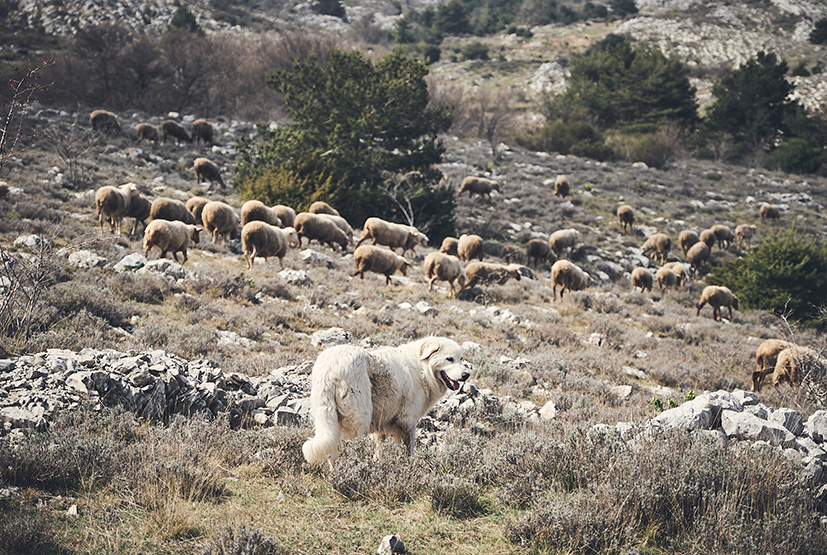
Life here is still tied to the land. Many residents are shepherds or farmers who stay active well into old age. Their lifestyle has barely changed in generations, resisting the fast-paced modernization seen elsewhere.
How Many Centenarians Live in Sardinia?
As of January 1, 2024, Sardinia had 606 centenarians, up from 594 the year before. Ogliastra is the most famous longevity zone, but other areas like Barbagia and Gallura are catching attention too. For example, Olbia counts 8 centenarians, while Arzachena and Aglientu each have 6—impressive numbers given the local populations.
It’s not just the quantity—it’s also how evenly spread out they are. Sardinia has around 20 centenarians per 10,000 residents, double the national average in Italy.
Another surprising detail? The male-to-female ratio. Globally, four out of five centenarians are women. But in Sardinia, the ratio is closer to 2:1, which suggests that local factors—like diet, daily physical work, and even a glass of Cannonau wine—help Sardinian men enjoy long lives too.

The Secret to Longevity: The Five Pillars
The secret to living a long and healthy life in Sardinia’s Blue Zone comes down to five key pillars. These elements work together in perfect balance, creating the ideal conditions for a long, fulfilling life.
1. Natural Food
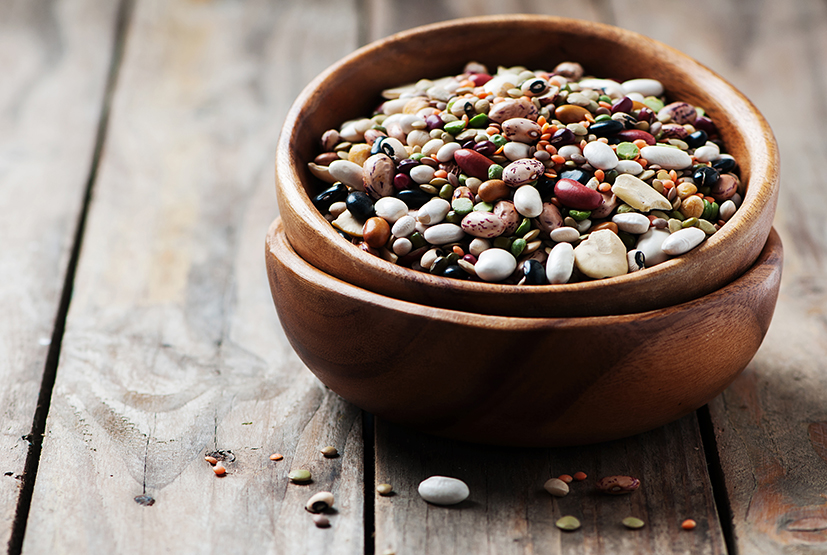
The Sardinian longevity diet is based on local, seasonal, and minimally processed foods. Legumes, vegetables, fruit, cheese, hard wheat bread, and small amounts of meat make up a nutrient-rich, antioxidant-packed way of eating.
2. Natural Movement
Physical activity among Sardinia’s centenarians doesn’t come from gyms or structured workouts, but from everyday movement: walking uphill, working in the fields, tending livestock. It’s simple, steady, and woven into daily life.
3. Strong Social Bonds
Family and community are everything. The extended family offers emotional support, a sense of belonging, and a clear purpose. Elders remain respected and involved members of society.
4. Sense of Purpose
Even at an advanced age, Sardinian centenarians still feel useful and needed. Whether helping with the grandchildren or advising younger generations, they hold meaningful roles in family and community life.
5. Natural Stress Management
Slower living, deep connection with nature, spiritual practices, and strong social ties help reduce stress naturally and effectively—no yoga studio required.
The Sardinian Longevity Diet: How Centenarians Eat
The Sardinian way of eating is an ancient and authentic form of the Mediterranean diet, rooted in simplicity, seasonality, and top-quality local ingredients.
Legumes like fava beans, chickpeas, and lentils—once known as "poor man’s meat"—are eaten daily, delivering excellent plant-based protein, fiber, and key nutrients for heart and metabolic health.
Wild greens, foraged from the countryside, offer a treasure trove of antioxidants and phytonutrients. Think wild fennel, cardoons, borage, and more—adding flavor, variety, and nourishment to every meal.
Goat and sheep cheese made with milk from pasture-raised animals provides high-quality protein, calcium, and healthy fats. Traditional bread, made with whole grain flours and natural yeast, supplies complex carbs and fiber.
Meat—mostly pork and lamb—is eaten in moderation, often on special occasions. And although Sardinia is surrounded by sea, in the mountain zones where longevity is highest, fish isn’t a major part of the diet.
Cannonau Wine: The Elixir of Long Life
Cannonau, a native Sardinian red wine, is one of the most fascinating elements of the island’s longevity culture. It contains exceptionally high levels of antioxidants—especially resveratrol and anthocyanins.
Scientific research shows Cannonau has 2 to 3 times more antioxidants than other red wines, thanks to Sardinia’s climate and traditional winemaking methods. These compounds help protect the heart, reduce inflammation, and slow down cellular aging.
Centenarians in Sardinia typically enjoy Cannonau in moderation—one glass at lunch and one at dinner, always with food. This lifelong habit appears to play a protective role in their cardiovascular health and overall longevity.
It’s important to note: Cannonau is part of a healthy lifestyle and never consumed in excess. The key is moderation—small, regular amounts bring the benefits, not overindulgence.

Staying Active: Natural Movement for Life
In Sardinia, physical activity isn’t about fitness routines or gym memberships. It’s about natural, functional movement built into everyday life.
Shepherds walk an average of 8–10 kilometers a day over hilly and mountainous terrain, building endurance, strength, and balance. And they keep it up well into their later years.
Traditional farm work involves all kinds of movement—digging, planting, harvesting, carrying—engaging all major muscle groups while keeping the body flexible and coordinated. Women, too, stay active through breadmaking, spinning wool, and caring for animals.
The key to Sardinian movement is consistency and low intensity. There are no exhausting workouts followed by days of rest. Just gentle, regular activity that keeps the body moving without stress.
The Power of Family and Community
One of the most important aspects of Sardinia’s Blue Zone is the central role of extended family and close-knit community in providing emotional, social, and practical support throughout life. This strong network of relationships is a key reason why people in Sardinia often live long, healthy lives.
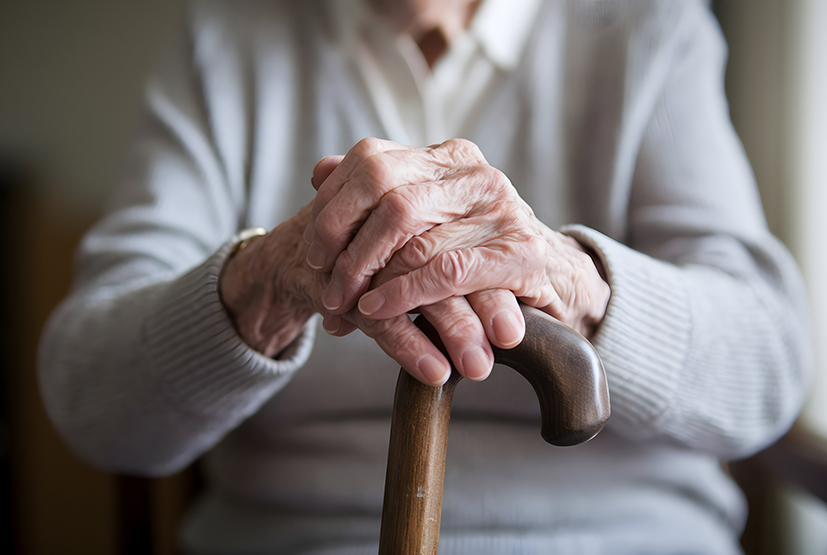
In traditional Sardinian culture, elders are never left behind or isolated. Instead, they continue to play meaningful roles within the family and community. Grandparents help raise grandchildren, passing down values, traditions, and hands-on knowledge. This sense of purpose gives them motivation to stay active and engaged.
Social ties are deep and long-lasting. People know each other for generations, share experiences, and support one another during difficult times. This strong social fabric acts as a natural shield against stress, depression, and loneliness—known factors that can speed up aging.
Community celebrations, religious festivals, and local traditions offer regular opportunities to connect and feel a sense of belonging. These events strengthen bonds and give rhythm and meaning to everyday life.
My Personal Experience
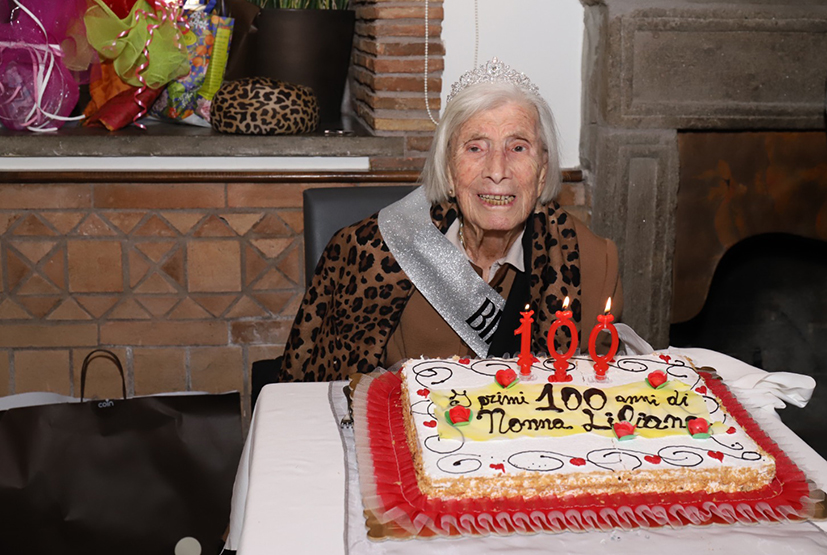
I’ve had the privilege to witness this way of life through my partner’s Sardinian grandmother, who passed away at the age of 102. Her life was a beautiful example of the longevity secrets that science is only now starting to understand.
She loved her family deeply and never missed her daily glass of wine with meals. It wasn’t just a habit, but a ritual shared during family moments. Her home was always open to children, grandchildren, and great-grandchildren. She was the heart of the extended family—everything revolved around her.
What struck me most was her calm presence and acceptance of life, along with a sincere curiosity about people and the world. She wasn’t anxious about the future or stuck in the past—she lived in the moment with gratitude and grace.
Life Lessons: Practical Tips
The lessons from the Sardinian Blue Zone can be applied anywhere to improve both the quality and length of life. Here are some simple, practical takeaways inspired by Sardinian longevity:
-
Food: Eat mostly local, seasonal, plant-based foods. Cut back on processed products, and enjoy more legumes, vegetables, and fruits. If you drink alcohol, do it in moderation—ideally a good glass of red wine with meals.
-
Movement: Make physical activity a natural part of your daily routine instead of relying only on the gym. Walk more, take the stairs, care for a garden, or enjoy active hobbies.
-
Social connections: Invest time and energy in your relationships with family and friends. Join community activities, stay in touch with loved ones, and build mutual support networks.
-
Sense of purpose: Keep your mind active and set meaningful goals for every stage of life. Share your knowledge and experience with younger generations.
-
Stress management: Find healthy ways to manage everyday stress: meditation, spending time in nature, relaxing hobbies, and keeping a positive outlook on life.
The Sardinian Blue Zone teaches us that longevity isn’t just about genetics or luck—it’s the result of everyday choices. These habits, repeated over time, create the foundation for a long, healthy, and fulfilling life. The secret isn’t in a miracle cure, but in a lifestyle that respects natural rhythms and values real human connection—with others and with the world around us.
Enjoyed this article?
Support my work and help me create more Sardinia travel guides like this one.

Subscribe to my Newsletter