

Reading time: 10 minutes
Table of Contents
- Introduction
- Overview of Sardinian cheesemaking
- Pecorino Sardo DOP: aging and characteristics
- Fiore Sardo: one of the oldest cheeses in Europe
- Other fine Sardinian sheep cheeses
- How to Taste Sardinian Cheeses
- Recommended Cheeses
Introduction
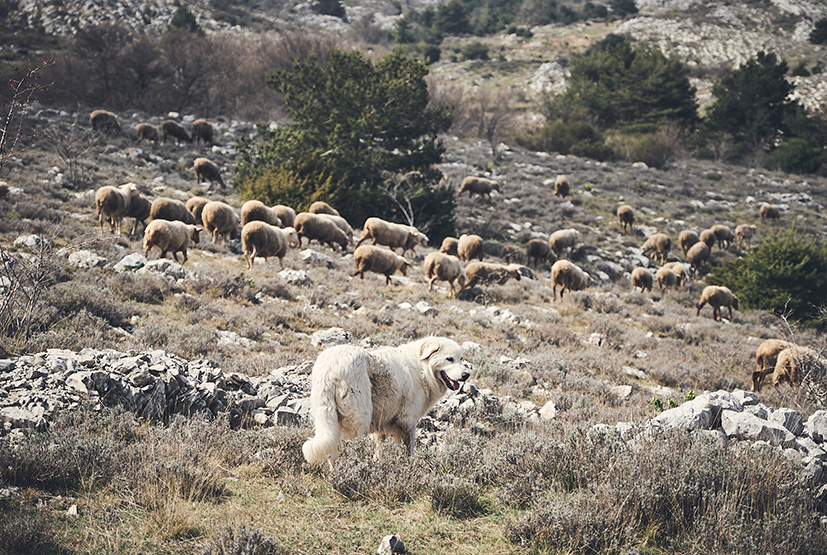
Sardinia, an island of shepherds and grazing flocks on pristine land, is the cradle of a millennia-old dairy tradition that has produced some of the most highly regarded sheep cheeses in the world. The cheeses of Sardinia are not only a cornerstone of the island's economy, but also a cultural treasure that tells the story of centuries of history, traditions, and knowledge passed down through generations.
In this article, we’ll explore the remarkable characteristics of Sardinian cheeses, with special attention to Pecorino Sardo DOP and Fiore Sardo DOP, two outstanding products that have earned the European Protected Designation of Origin label. We’ll dive into the specific qualities of different aging stages, traditional production techniques, and the geographical areas they come from.
A special focus will also be dedicated to other local cheese specialties, including the controversial yet fascinating casu marzu, which, with its uniqueness, has drawn the attention of gourmets and curious food lovers from around the world. Rounding out our journey with tips on how to best enjoy these gastronomic treasures and which wines to pair them with, this article offers a comprehensive overview for anyone eager to discover one of the cornerstones of Sardinian cuisine.
Whether you're a cheese enthusiast or simply curious about what to taste in Sardinia during your visit, this guide will take you on a journey through authentic flavors that represent the soul of an island where pastoral tradition has shaped not only the landscape, but also the culture and identity of its people.
Overview of Sardinian cheesemaking
Ancient traditions
The production of traditional cheeses in Sardinia is deeply rooted in a distant past. Archaeological findings have uncovered cheese-making tools dating back to the Bronze Age (1800–900 BC), proving that this practice has been an integral part of Sardinian culture for millennia. Sheep farming, favored by the island’s geographical shape and climate, has been the primary economic activity of local populations for centuries.
Transhumance, still practiced in some areas of the island, has helped preserve cheese-making techniques passed down orally with very few changes over time. This historical continuity is a priceless asset, reflected in the authenticity and quality of today’s Sardinian cheeses.
Cultural and economic importance
Sardinia is home to about 3 million sheep—the highest concentration in Italy and one of the largest in Europe. The resulting dairy production is not only the backbone of the island’s agricultural economy but also a key element of Sardinian cultural identity.
The role of the shepherd-cheesemaker still holds great prestige in rural communities, where cheese production continues to mark the rhythm of daily life. The processing techniques are handed down from father to son, preserving a priceless intangible heritage that makes Sardinian cheeses truly unique.
The economic significance is notable: with over 250 active dairies and an annual production exceeding 50,000 tons, the sector is a vital part of Sardinia’s agri-food exports, with Pecorino Sardo and Fiore Sardo reaching tables all over the world.
Production methods
What distinguishes Sardinia’s traditional cheeses is the balance between tradition and innovation. While production methods still follow age-old protocols, modern dairies have incorporated technologies that ensure high hygiene standards without compromising the authenticity of the final product.
The milk comes from Sardinian breed sheep, mostly raised in free-range or semi-free-range conditions on pastures rich in wild Mediterranean herbs. This natural diet gives the milk—and consequently the cheeses—distinctive aromas and flavors that vary depending on the production area and season.
Coagulation is typically carried out with lamb rennet, followed by processing techniques that differ based on the type of cheese being made. Salt, often sourced from local salt pans, and in some cases, smoking with native woods, complete the process and help define the unique organoleptic profile of each Sardinian cheese.

Pecorino Sardo DOP: aging and characteristics
Pecorino Sardo obtained Protected Designation of Origin (PDO) status in 1996, a recognition that certifies its uniqueness and inseparable bond with its territory of origin. This Sardinian cheese stands out for its versatility, being produced in two main varieties that differ in aging process and organoleptic characteristics.
Pecorino sardo dolce
Pecorino Sardo Dolce, also known as "semi-cooked," is the short-aged version, maturing between 20 and 60 days. It features a thin rind of white or pale straw color and a soft, elastic white paste. The flavor is delicate, sweet, and aromatic, with hints of fresh milk and a light acidity that makes it particularly pleasant.
This cheese is made using whole sheep’s milk—thermized or pasteurized—rennet, and moderate salting. It has a cylindrical shape with flat faces, and weighs between 2.5 and 3.5 kg. Ideal for those who prefer milder flavors, Pecorino Dolce is perfect on its own as a table cheese or in a variety of Sardinian dishes, from salads to pasta recipes.
Pecorino sardo maturo
Pecorino Sardo Maturo is the long-aged version, maturing for at least 2 months and up to over a year for the finest selections. The rind becomes thicker and dark straw or brown in color, while the paste, initially elastic, takes on a firmer, grainier texture and a color ranging from straw yellow to golden.
Its flavor is significantly more intense and complex compared to the sweet version, with spicy notes that become more pronounced with age. Deep aromas of hay, aromatic herbs, and cooked milk develop, leading to a persistent and occasionally slightly spicy finish.
This cheese is made using raw or thermized milk, rennet, and a more intense salting process than the sweet version. The wheels are usually heavier, weighing between 3 and 5 kg. Pecorino Maturo is one of the most appreciated typical cheeses of Sardinia, perfect to enjoy at the end of a meal with a good honey or berry jam.
Production Areas and Distinctiveness
Although Pecorino Sardo PDO can be produced throughout the Sardinian region, some areas boast a particularly strong tradition. Campidano, Marmilla, Barbagia, and Logudoro are zones where this cheese expresses its best qualities, thanks to rich pastures and ideal climatic conditions.
Each area gives the cheese unique organoleptic nuances: pecorinos from coastal areas tend to have saltier notes, while those from the mountainous interior develop more intense aromas of wild herbs and flowers.
Some producers also offer flavored versions with black pepper, chili pepper, or local herbs, offering an interesting variation while maintaining the core features that make Pecorino Sardo one of Sardinia’s most representative and internationally appreciated cheeses.
Fiore Sardo: One of the Oldest Cheeses in Europe
Origins and History
Fiore Sardo, also known as "Pecorino Sardo Fiore" or "Fisore" in the local dialect, is considered one of the oldest Sardinian cheeses, with a tradition that dates back to the Nuragic era. This outstanding cheese was the first product in Sardinia to receive official designation status in 1955, underscoring its deep connection to its native land and the authenticity of its production methods.
Originating in Barbagia, a mountainous region in the center of the island, Fiore Sardo was traditionally made by shepherds during transhumance, using rudimentary tools and techniques passed down orally. The name "Fiore" (flower) may derive from the floral decoration imprinted on the cheese molds, or from the cardoon flower once used as natural rennet.
Its cultural significance goes far beyond the culinary aspect: this cheese is a symbol of Sardinia’s pastoral identity and the ability to turn limited resources into products of extraordinary quality. Cited in numerous historical documents and folk tales, Fiore Sardo is considered a true living gastronomic monument.
Traditional Production Method
What makes Fiore Sardo unique is its production method, which has remained essentially unchanged over the centuries. Unlike other Sardinian cheeses now mainly produced in industrial dairies, true Fiore Sardo PDO is still largely handcrafted, often in the shepherds’ own homes.
The process begins with raw whole milk from Sardinian sheep, processed without heat treatment. Coagulation is done exclusively with lamb or kid rennet, followed by breaking the curd into rice-sized granules. After a brief cooking at 35–40°C, the mass is transferred into characteristic truncated cone-shaped molds.
A key feature is the smoking process, done by exposing the wheels to smoke from burning local aromatic woods, mainly mastic and juniper. This step not only imparts distinctive aromas but also helps preserve the cheese and develop its typical dark rind.
Aging takes place in cool, humid rooms and lasts from a minimum of 3–4 months up to over a year for the more intense versions. During this time, the wheels are periodically rubbed with olive oil or sheep fat, which helps maintain the rind’s elasticity and promotes the development of complex aromas.
Organoleptic Characteristics
Fiore Sardo has a characteristic truncated cone shape, with flat faces measuring 15–18 cm in diameter and a height of 15–18 cm. It weighs between 3 and 4 kg, and the rind is dark brown, a result of the smoking process.
The paste, initially elastic and white, becomes firmer and crumblier with aging, taking on hues from straw yellow to amber. Small, irregular eyes are often visible when cut, indicating artisanal production.
Its organoleptic profile is remarkably complex: in younger cheeses, fresh milky, buttery, and lightly smoky notes dominate, while with aging, intense aromas of hay, toasted nuts, and spices emerge, with a long, piquant finish. The acidity, present but never harsh, perfectly balances the saltiness and the slight bitterness typical of long-aged Sardinian cheeses.
Fiore Sardo is undoubtedly one of the pinnacles of Italian cheesemaking and one of Sardinia’s most iconic cheeses, fully deserving its status as a Slow Food Presidium, which protects the most authentic version—made by shepherds in the mountainous areas of Barbagia.
Other High-Quality Sardinian Sheep Cheeses
In addition to Pecorino Sardo and Fiore Sardo, the island’s cheese-making tradition boasts numerous other specialties that are well worth discovering. Here are some typical Sardinian cheeses that enrich the variety of local sheep milk productions.
Casu Axedu
Casu Axedu (literally “sour cheese”) is a fresh, soft cheese produced mainly in the island's inland areas. Made from raw sheep's milk, it is known for its tangy and refreshing flavor, the result of extended lactic fermentation.
Traditionally consumed by shepherds during the summer months for its thirst-quenching properties, today it is appreciated as an appetizer or as an ingredient in salads and pasta dishes. It perfectly exemplifies Sardinian gastronomy’s ability to turn necessity (preserving milk without refrigeration) into culinary excellence.
Casu Marzu
Probably the most controversial of all Sardinian cheeses, Casu Marzu (literally “rotten cheese”) is a Pecorino that undergoes a unique fermentation process involving cheese fly larvae (Piophila casei).
Also known as Sardinian worm cheese, this product is made by allowing the flies to naturally deposit their eggs on the surface of the cheese. The larvae then burrow into the cheese, accelerating the aging process and transforming the texture into a soft, spreadable cream.
The result is a cheese with an extremely intense flavor, with spicy and ammoniacal notes, representing a true challenge even for the most adventurous palates. Considered a delicacy by locals, Casu Marzu has faced issues with European health regulations, which have banned its commercial sale, confining it to private production for personal consumption.
Recently, efforts have been made to standardize its production process in accordance with health regulations, in the hope of preserving this controversial but fascinating aspect of Sardinian cheese tradition.

Ricotta and Smoked Ricotta
Although technically not a cheese but a dairy product, ricotta deserves a special mention in the context of Sardinian cheese-making. Made from the whey left over from cheese production, Sardinian sheep’s milk ricotta is renowned for its creamy texture and delicate yet distinctive flavor.
Particularly appreciated is the smoked version (mustia), which is treated with smoke from local aromatic woods. This not only prolongs shelf life but also imparts rich, complex aromas. Smoked ricotta is a key ingredient in many Sardinian recipes, from first courses to traditional desserts.

How to Taste Sardinian Cheeses
To fully appreciate the complexity and richness of Sardinian cheeses, it’s important to taste them properly—paying attention to serving temperature, tasting order, and pairings.
Fresh or lightly aged cheeses, such as sweet Pecorino Sardo, should be served at a temperature between 10 and 12°C (50–54°F), while medium- to long-aged cheeses, like mature Fiore Sardo, express their best flavors at slightly warmer temperatures, around 14–16°C (57–61°F). It is advisable to remove them from the refrigerator at least 30 minutes before tasting.
During a tasting session, it's best to proceed from the mildest to the strongest cheeses, to prevent stronger flavors from overpowering the subtler ones. Ideally, you should start with fresh ricotta, move on to sweet Pecorino, then mature Pecorino, and finish with aged Fiore Sardo.
Wine Pairings
Choosing the right wine to pair with Sardinian cheeses can further enhance the tasting experience. Here are a few suggestions:
For fresh and lightly aged cheeses, such as sweet Pecorino, dry and fragrant white wines like Vermentino di Sardegna DOC or Vermentino di Gallura DOCG are ideal. Their freshness and sapidity help cleanse the palate from the cheese's richness.
With medium-aged cheeses, you might opt for a structured rosé or a young red wine, such as a young Cannonau di Sardegna DOC, which offers a good balance of freshness and body.
Long-aged cheeses, like aged Fiore Sardo or mature Pecorino Sardo, require structured and complex red wines to match the cheese’s intensity. A classic pairing is Cannonau di Sardegna DOC Riserva, with its soft tannins and spicy notes, or Carignano del Sulcis DOC for those who enjoy bolder combinations.
As for Casu Marzu, due to its extreme intensity, it is best paired with a sweet wine such as Malvasia di Bosa DOC, whose sweetness effectively contrasts the cheese’s pungency.
Honey and Jams
An alternative—or a complement—to wine can be found in honey and jams, which in Sardinia boast an equally rich and diverse tradition. Strawberry tree honey, with its characteristic bitter aftertaste, is particularly well-suited to aged Sardinian cheeses, creating a striking sweet-bitter contrast.
Thistle, eucalyptus, or wildflower honey also pair well with cheese, as do jams made from figs, pears, or berries. For the more adventurous, sapa (cooked grape must) is a traditional accompaniment that enhances the savoriness of stronger cheeses.
Recommended Cheeses
1. Caseificio Garau – Granduca di Mandas
Founded in 1880 in Mandas, Caseificio Antonio Garau is one of the oldest cheese producers in Sardinia. The “Granduca di Mandas” is an aged pecorino that has received numerous awards, including six medals at the 2024 World Cheese Awards source: L'Unione Sarda.it.
🔗 Official website: caseificiogarau.it

2. Argiolas Formaggi – Giglio Sardo Extra
Located in Dolianova, Argiolas Formaggi is renowned for producing traditional Sardinian cheeses. The “Giglio Sardo Extra” is a semi-aged pecorino matured for 90 days, with notes of hay, hazelnuts, and fresh butter.
🔗 Official website: argiolasformaggi.com

3. Cao Formaggi – Pecorino Sardo Maturo DOP
Based in Siamanna, Cao Formaggi is known for its artisanal cheese production. Their Pecorino Sardo Maturo DOP is an excellent example of Sardinia’s cheese-making tradition, featuring a compact texture and bold flavor.
🔗 Official website: caoformaggi.it

4. Central Formaggi – Bon Sardo
Headquartered in Serrenti, Central Formaggi is one of the leading dairy companies in Sardinia. The “Bon Sardo” is a pecorino appreciated for its balance of sweetness and savoriness.
🔗 Official website: centralformaggi.it

5. Caseificio Garau – Cardureu
The "Cardureu" is a pecorino cheese produced by Caseificio Garau, known for using vegetable rennet extracted from wild thistle. This gives the cheese a unique and distinctive flavor.
🔗 Official website: www.caseificiogarau.com

6. Picciau Formaggi – Sardaccio
Picciau Formaggi, located in Decimomannu, is a family-run business that produces artisanal cheeses. Their “Sardaccio” is a semi-aged pecorino with a bold flavor, ideal for those seeking authenticity and tradition.
🔗 Official website: www.picciauformaggi.it

Where to Buy Authentic Sardinian Cheeses
For those wondering what to taste during a visit to Sardinia, the best option is to buy directly from producers or local markets, where you can find both fresh and aged cheeses of the highest quality—often at more affordable prices than in specialty shops.
The markets of Cagliari, Sassari, Alghero, Bosa, and other towns offer a wide selection of traditional Sardinian cheeses, with passionate vendors eager to share the history and characteristics of each product. The many food festivals dedicated to dairy products, held throughout the year in inland villages, are also unmissable opportunities to taste and purchase cheese directly from the producers.
For those who can't travel to the island, many producers and quality consortia have developed online sales channels, allowing you to receive Sardinian cheeses right at your doorstep, with guaranteed freshness and authenticity. Thanks to the growing popularity of Sardinian gastronomy, high-quality cheese and delicatessen shops across Italy now offer increasingly wide selections of pecorino and other local dairy products.
Conclusion
Sardinian cheeses represent a treasure trove of flavors, techniques, and traditions of inestimable value. From Pecorino Sardo in its various stages of aging to Fiore Sardo, and niche specialties like the controversial casu marzu, these products tell the thousand-year story of an island where shepherding has shaped not only the economy but also the culture and identity of its people.
The quality and uniqueness of Sardinian cheeses result from a combination of factors: the biodiversity of the pastures, rich in wild herbs, which gives the milk its unmistakable aromas and scents; the traditional cheesemaking techniques, respectful of natural rhythms and preserved through oral tradition; and finally, the passion of the producers, guardians of a craft refined through experience and sensitivity.
In an era of food standardization and industrialization, these products offer a virtuous example of how tradition and innovation can coexist, ensuring both authenticity and safety. The PDO (Protected Designation of Origin) recognitions awarded to Sardinia’s main cheeses testify to the value of this heritage and help protect it from imitations and counterfeits.
For those visiting Sardinia, tasting these cheeses is not just a gastronomic experience, but a true cultural journey into the most authentic soul of the island. And for those who cannot visit in person, enjoying a piece of Pecorino Sardo or Fiore Sardo is a way to travel through the senses, savoring the history and traditions of a unique and fascinating land.
Sardinian cheeses are therefore much more than just food products: they are guardians of biodiversity, witnesses of history and culture, and ambassadors of a land that has transformed simplicity into excellence. A heritage to be discovered, enjoyed, and preserved for future generations.
This article is part of the series “Gastronomic Treasures of Sardinia”, dedicated to exploring the island’s culinary traditions. For more on Sardinian specialties, check out the other articles in the series.
Enjoyed this article?
Support my work and help me create more Sardinia travel guides like this one.

Subscribe to my Newsletter