


Reading time: 15 minutes
Table of Contents
- General Overview of Culinary Traditions
- Historical Influences on Gastronomy
- The Connection Between Sardinian Cuisine and Shepherding Traditions
- Map of Sardinia's Gastronomic Regions
- Regional Specialties
- Sardinian Wines and Spirits
- Where to Eat in Sardinia
- Conclusion
General Overview of Culinary Traditions
Sardinian cuisine (cucina sarda) represents one of Italy's most distinctive and ancient food cultures, characterized by simple preparation methods that enhance the natural flavors of high-quality local ingredients. What to eat in Sardinia varies significantly from mainland Italian cuisine, reflecting the island's unique geography, history, and cultural isolation. Unlike the pasta-centric dishes of the mainland, traditional Sardinian dishes often feature hearty meats, fresh seafood, locally grown vegetables, and distinctive breads and cheeses.
The island's culinary landscape is divided between the coastal regions (mari) and the mountainous interior (monti), creating two distinct approaches to what people eat in Sardinia. Along the coast, seafood dominates the menu, while the inland areas focus on meat—particularly lamb, and pork—along with foraged herbs, vegetables, and dairy products. This mari e monti (sea and mountains) dichotomy is fundamental to understanding typical Sardinian cuisine.
Sardinian meal times follow the traditional Mediterranean pattern, with lunch typically served between 1:00 and 3:00 PM and dinner from 8:00 to 10:00 PM. Meals are social affairs, often beginning with a selection of Sardinian appetizers (antipasti sardi) followed by primo (first course), secondo (main course), contorno (side dish), and dolce (dessert).
What makes Sardinian food particularly noteworthy is its contribution to the concept of the "Blue Zone"—regions where people live exceptionally long lives. The traditional Sardinian diet, rich in whole grains, legumes, vegetables, and moderate amounts of wine, has been linked to the remarkable longevity of the island's inhabitants, particularly in the mountainous Ogliastra and Barbagia regions.
Historical Influences on Gastronomy
The story of what to try in Sardinia cannot be separated from the island's complex history. As one of the Mediterranean's largest islands, Sardinia has been conquered and influenced by numerous civilizations, each leaving its mark on the local gastronomy.
The Phoenicians, who established trading posts on Sardinia around 1000 BCE, introduced techniques for preserving fish and cultivating olives and grapes. Their influence can still be tasted in dishes like bottarga —cured fish roe that is often called "Sardinian gold"—and in the island's ancient tradition of olive oil production.
The Romans, who controlled Sardinia from 238 BCE to 476 CE, brought systematic agriculture to the island. They established large grain fields in the fertile plains of Campidano (Campidano), making Sardinia one of Rome's important granaries. The Romans also introduced fava beans and chickpeas, which remain staples in traditional Sardinian dishes like favata , a hearty bean stew.
Perhaps the most significant culinary influence came during the nearly 400 years of Spanish domination (1323-1720). The Aragonese and Catalans left an indelible mark on what people eat in Sardinia, introducing new ingredients and cooking techniques. Paella-like rice dishes, the use of saffron, and sweet pastries filled with honey, nuts, and candied fruits all reflect this Spanish heritage. The beloved pardulas —sweet cheese pastries flavored with saffron and citrus—are a direct legacy of this period.
The Piedmontese rule that followed (1720-1861) brought mainland Italian influences, but by then, typical Sardinian cuisine had already established its distinctive character. What's remarkable is how Sardinian food maintained its unique identity despite these various occupations, adopting outside influences while preserving ancient preparation methods.
Archaeological evidence suggests that some traditional Sardinian dishes, like su porcheddu (roasted suckling pig) and various bread types, have changed little since pre-Roman times, making them among the oldest continuously prepared foods in Europe.
The Connection Between Sardinian Cuisine and Shepherding Traditions
No understanding of what to eat in Sardinia would be complete without recognizing the profound influence of pastoral culture. For millennia, shepherding has been central to Sardinian life, economy, and identity, particularly in the rugged interior regions like Barbagia and Gallura.
This pastoral tradition is reflected in the island's most celebrated foods. Pecorino Sardo and fiore Sardo —sheep's milk cheeses with Protected Designation of Origin status—are emblematic of Sardinian cuisine. These cheeses range from the young, mild pecorino fresco (pecorino fresco) to the aged, sharp pecorino stagionato (pecorino stagionato), offering a range of flavors that form the backbone of many traditional Sardinian dishes.
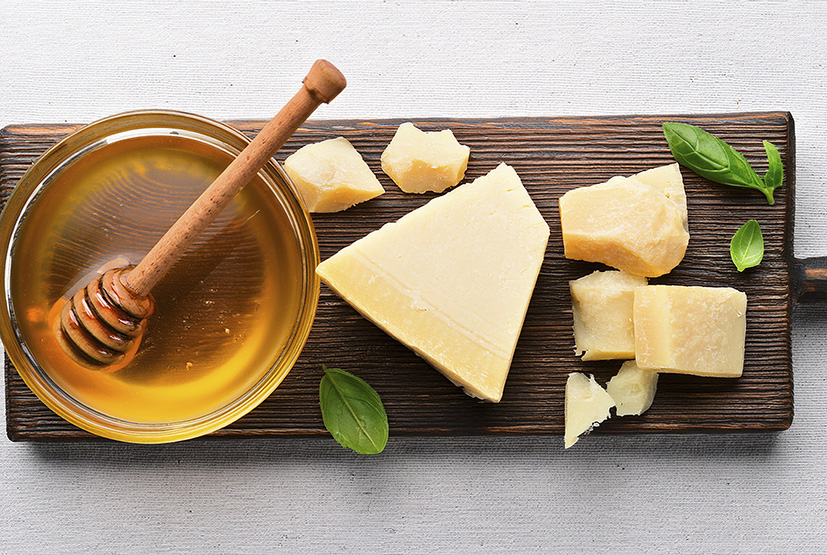
The shepherds' lifestyle also gave rise to unique cooking methods designed for simplicity and efficiency while tending flocks in remote locations. Perhaps the most famous example is pane frattau, a layered bread dish where thin flatbread (carta da musica) is moistened with meat broth, layered with tomato sauce and pecorino, and topped with a poached egg. This hearty meal could be prepared with minimal equipment over an open fire.
Similarly, sa cordula —braided lamb or kid intestines roasted over an open flame—represents the shepherds' waste-nothing approach to animal husbandry. These dishes might seem rustic, but they remain central to what people eat in Sardinia, appearing on the menus of both humble countryside trattorias and upscale restaurants in cities like Cagliari and Alghero.
The shepherds' calendar still influences Sardinian meal times and seasonal specialties. Winter dishes tend to be heartier, featuring preserved meats and aged cheeses, while spring brings fresh kid and lamb dishes alongside young, mild cheeses. The rhythms of transhumance—the seasonal movement of livestock between winter and summer pastures—created a cuisine that balances preservation techniques with the celebration of fresh, seasonal ingredients.
Even Sardinian bread reflects this pastoral heritage. Su pane carasau, a paper-thin crisp bread also known as "carta da musica" (sheet music) for its resemblance to parchment, was developed to last for months without spoiling. Shepherds would carry this bread during their long periods away from home, rehydrating it with broth or water when ready to eat. Today, it remains one of the most distinctive Sardinian foods, served alongside meals or used as a base for various dishes.

Map of Sardinia's Gastronomic Regions
Sardinia's gastronomic landscape is divided into distinct regions, each with its own specialties and traditions. From the seafood-rich dishes of Alghero to the hearty mountain fare of Nuoro, understanding these regional differences provides insight into the remarkable diversity of what to try in Sardinia.
The northern region of Gallura, with its granite mountains and pristine coastline, is known for dishes like zuppa gallurese —layers of bread, cheese, and broth baked until golden—and mazzafrissa, a unique ricotta cheese.
The coastal city of Alghero, with its Catalan heritage, offers distinctive seafood preparations including aragosta alla catalana —spiny lobster with tomatoes and onions.
Central Sardinia, particularly the Barbagia region, represents the heart of pastoral traditions. Here, typical Sardinian cuisine includes su filindeu —an extremely rare pasta made of thin threads served in mutton broth—and various preparations of lamb and kid. The town of Orgosolo is famous for its robust red wines and traditional preparation of su porcheddu.
The western coastal areas around Oristano feature dishes influenced by the region's wetlands and lagoons, including bottarga from mullet caught in the Cabras lagoon and the distinctive vernaccia wine, which develops under a layer of natural yeast similar to sherry.
In the south, the capital city of Cagliari offers refined interpretations of traditional Sardinian dishes along with unique local specialties like fregula con le arselle —small ball-shaped pasta with clams—and malloreddus alla campidanese —small ridged pasta with sausage and tomato sauce.
The eastern coast, with its dramatic cliffs and pristine beaches, features seafood preparations with minimal ingredients, allowing the freshness of the catch to shine. The fishing village of Santa Maria Navarrese is known for its simple yet perfect seafood antipasti and grilled fish.
Regional Specialties
Understanding what to eat in Sardinia means exploring the island's remarkable regional diversity. Each area offers distinctive interpretations of Sardinian food that reflect local ecosystems, historical influences, and cultural traditions.
In the northern coastal areas, Sardinian appetizers often feature seafood like ricci di mare (sea urchins) served raw with just a bread and red wine, or polpo alla brace (grilled octopus) dressed simply with olive oil and parsley. The Spanish-influenced city of Alghero is famous for its aragosta alla catalana (Catalan-style spiny lobster), which combines the island's superb seafood with Catalonian preparation methods.
Moving inland to the mountainous Barbagia (Barbagia) region, traditional Sardinian dishes become heartier. Here you'll find sa cordedda (lamb intestines wrapped around innards and roasted on skewers) and su filindeu (literally "the threads of God"), an extremely rare pasta made by only a few women who stretch and fold dough repeatedly until it forms threads thinner than spaghetti.
One of the most celebrated examples of typical Sardinian cuisine is su porcheddu (or porcetto), a whole suckling pig slowly roasted over an open fire of aromatic woods like myrtle and juniper. The meat becomes tender while the skin turns crisp, and the subtle flavor of the smoke infuses the meat. This dish epitomizes the Sardinian approach to cooking: simple techniques applied to exceptional ingredients with patience and skill.
In the central regions, visitors wondering what to try in Sardinia should look for culurgiones —pasta packets filled with potato, pecorino cheese, and mint, crimped by hand to resemble wheat ears. The artistry involved in sealing these pasta pillows is passed down through generations, with each village having its own distinctive crimping pattern.
Southern Sardinia offers malloreddus, small ridged pasta shells often served alla campidanese with a rich sauce of tomatoes, sausage, and saffron. The south is also known for its exceptional bread varieties, including civraxiu, a large, round sourdough with a firm crust and soft interior.
For those curious about what people eat in Sardinia as street food, look for sebadas —fried pastries filled with fresh cheese, drizzled with bitter honey—or variations of pani 'e saba (bread with saba), enriched with reduced grape must and dried fruits.

Sardinian Wines and Spirits
Any exploration of traditional Sardinian dishes would be incomplete without discussing the island's remarkable wines. Sardinian viticulture dates back to the Phoenician period, and today the island produces distinctive wines that perfectly complement local cuisine.
Cannonau, the local name for Grenache, produces robust reds with high antioxidant levels that some researchers link to Sardinian longevity. These full-bodied wines pair beautifully with roasted meats like su porcheddu. The Cannonau di Sardegna DOC encompasses most of the island, but the most acclaimed versions come from the Ogliastra and Jerzu areas.
Vermentino di Gallura, Sardinia's only DOCG wine, offers crisp acidity and mineral notes that perfectly complement seafood dishes. The granite soils of northern Sardinia impart a distinctive character to these elegant whites.
Perhaps most unique is Vernaccia di Oristano, an oxidized wine similar to sherry that develops under a layer of natural yeast called flor. This ancient wine tradition yields complex flavors of nuts, dried fruits, and spices, making it an exceptional pairing for Sardinian cheeses.
Beyond wines, traditional Sardinian beverages include mirto —a liqueur made from myrtle berries—and filu 'e ferru (filu 'e ferru), a grappa-like spirit whose name ("iron wire") references how bottles were once marked with buried wire during prohibition periods.
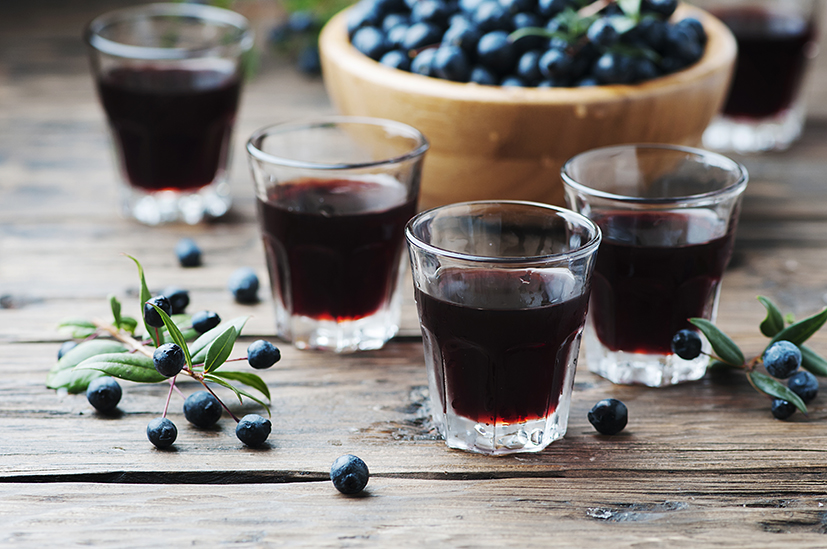
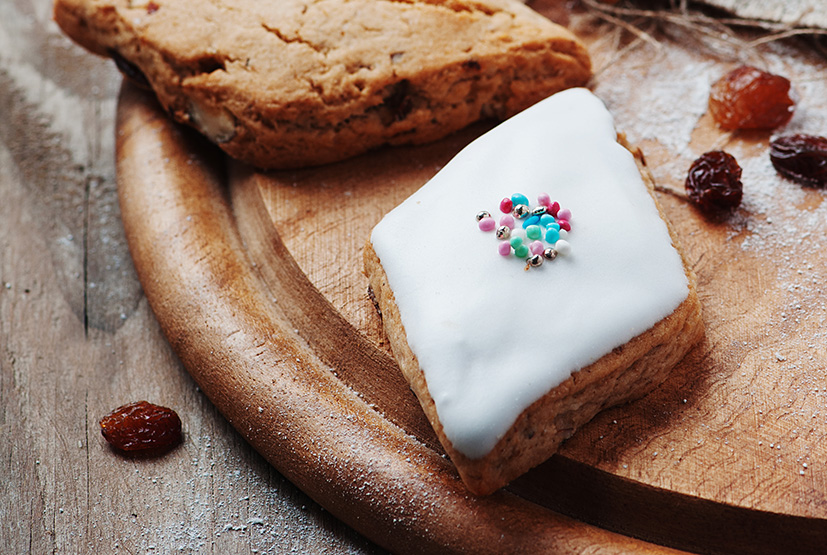
Sardinian meal times often conclude with a small glass of these digestive liqueurs, accompanied by traditional sweets like papassini (papassini)—spiced raisin cookies—or pan'e saba (pan'e saba), a dense cake made with reduced grape must.
Where to Eat in Sardinia
For visitors wondering where to eat in Sardinia, the island offers dining experiences ranging from rustic country trattorias to sophisticated restaurants. Each provides a different perspective on traditional Sardinian dishes.
In rural areas, agriturismo establishments—working farms that serve meals—offer some of the most authentic dining experiences. These family-run operations typically serve set menus featuring products raised or grown on the premises, providing an immersive introduction to what people eat in Sardinia. Notable examples include Agriturismo Sa Mandra near Alghero.
For seafood, the fishing villages of Alghero, Carloforte, and Santa Maria Navarrese offer simple restaurants where the day's catch is prepared with minimal intervention. In Carloforte, don't miss the opportunity to try tuna prepared in the distinctive local style, a tradition dating back to Genoese settlers.
For those specifically interested in Sardinian wines, the Strada del Cannonau wine route through the eastern regions provides opportunities to visit small producers and taste wines alongside typical Sardinian cuisine in local osterias.
Visitors should note that reservations are essential during the summer tourist season, particularly in coastal areas. In rural regions, many agriturismi require advance booking as they prepare meals based on the number of expected guests.
Conclusion
Sardinian cuisine offers a remarkable window into one of Europe's most ancient and distinctive food cultures. What to eat in Sardinia goes beyond mere sustenance—it represents an entire worldview shaped by the island's unique geography, history, and cultural resilience.
The diversity of traditional Sardinian dishes reflects the island's varied landscapes and historical influences, from coastal seafood specialties to hearty mountain fare. Yet throughout this diversity runs a common thread: a commitment to exceptional ingredients, prepared simply to highlight their natural flavors.
For visitors wondering what to try in Sardinia, the answer depends partly on location and season. Coastal areas offer remarkable seafood, while inland regions showcase the pastoral traditions that have sustained Sardinians for millennia. Spring brings fresh cheeses and tender young meats, while autumn features mushrooms, game, and new wine.
At its heart, Sardinian food is about connection—to the land, to history, and to community. The shared rituals of Sardinian meal times, from the breaking of pane carasau to the final sips of mirto, reinforce social bonds that have helped preserve these traditions across generations.
As global interest in authentic food experiences grows, Sardinian cuisine is gaining deserved recognition as one of the world's most distinctive and rewarding gastronomic traditions. Yet despite increasing international attention, the heart of what people eat in Sardinia remains rooted in family recipes, seasonal rhythms, and the timeless flavors of an island that has always charted its own culinary course.
Whether enjoying rustic shepherd's fare in a mountain village or sophisticated seafood in a coastal resort, visitors to Sardinia encounter a food culture of remarkable depth and integrity—one that continues to evolve while honoring the wisdom embedded in its ancient traditions.

Subscribe to my Newsletter