


Reading time: 10 minutes
Table of Contents
- Introduction to Pane Carasau
- Origins and History
- The Bread of Sardinian Shepherds
- How Pane Carasau is Made
- How to Eat Pane Carasau
- Variations: Pane Guttiau and Pane Frattau
- Where to Find the Best Pane Carasau in Sardinia
- Pane Carasau as a Modern Snack
- A Souvenir from Sardinia: Pane Carasau
- Conclusion
Introduction to Pane Carasau
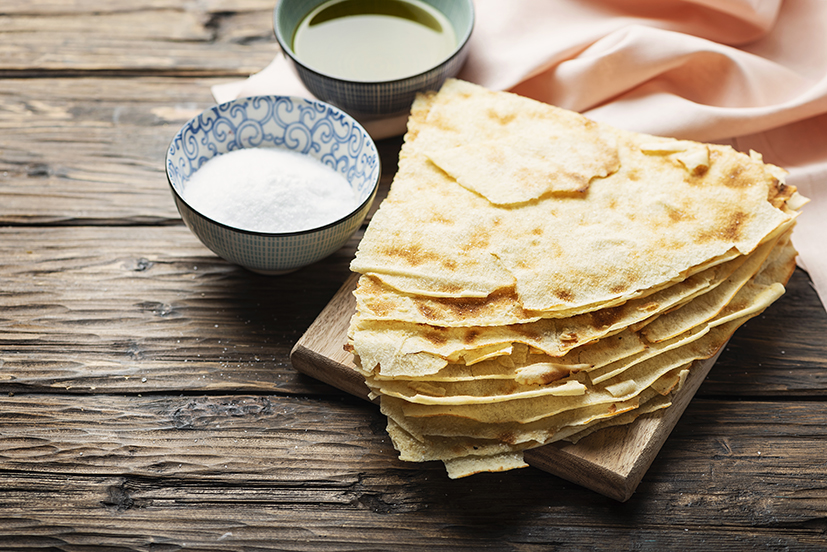
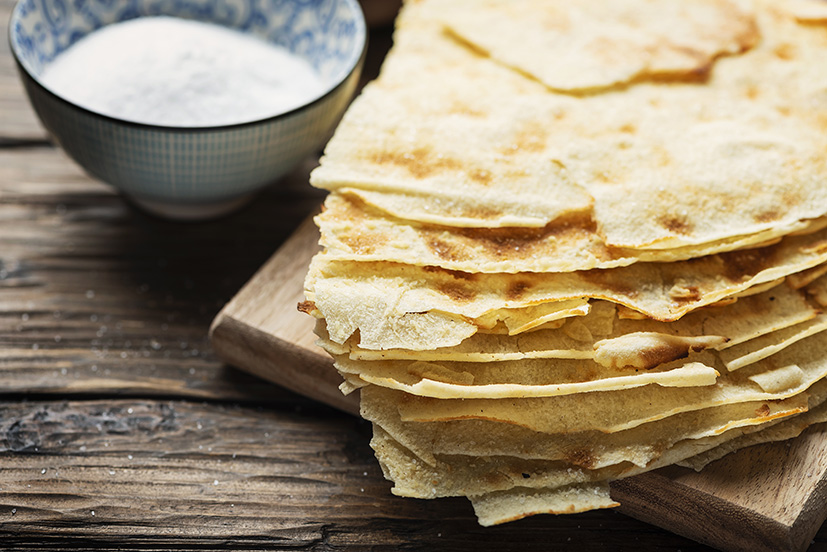
Pane Carasau stands as one of the most iconic symbols of Sardinian culinary tradition. Also known as "carta da musica" (sheet music) due to its characteristic thinness resembling parchment and the sound it makes when broken, this traditional bread has become famous well beyond the shores of Sardinia. Pane Carasau is definitely one of the 15 Products You Must Try in Sardinia
Thin, crispy, and with remarkable shelf life, Pane Carasau embodies a pastoral culture that had to adapt to nomadic living conditions and long periods away from home. Its popularity has transcended the island's boundaries, now being appreciated on tables worldwide, both as an accompaniment to traditional Sardinian dishes and as a star ingredient in innovative and creative recipes.
In this article, we'll explore the fascinating history of this unique bread, discover the secrets of its traditional production, and learn how it's consumed today, both in Sardinian homes and in refined restaurants around the world.
Origins and History
The origins of Pane Carasau date back to ancient times. Archaeological findings suggest that primitive forms of this bread were already present in Sardinia during the Nuragic Age (1800-500 BCE), demonstrating that this baking technique has millennial roots.
The name "Carasau" derives from the Sardinian word "carasare," which means "to toast" or "to brown," referring to the second baking that characterizes this type of bread. This double baking wasn't just a flavor choice but primarily a practical necessity: to ensure the bread's preservation for extended periods.
Over the centuries, the recipe and production technique have been refined, but the fundamental principles have remained unchanged. Tradition dictated that Pane Carasau was prepared once a month, in large quantities, in a community ritual that involved several women from the village. This custom, called "su coghina," was an important moment of socialization and sharing.
Historical documents from the Giudicati period (900-1400 CE) already mention a bread with characteristics similar to Carasau, confirming the continuity of this tradition through the centuries. During Spanish domination and later under the Savoy kingdom, Pane Carasau remained a central element of Sardinian diet, especially in inland areas where shepherding was the predominant activity.
The Bread of Sardinian Shepherds
Pane Carasau is inextricably linked to the life of Sardinian shepherds, so much so that it's nicknamed "shepherds' bread." Its invention perfectly responded to the needs of those who had to spend long periods away from home, following flocks during transhumance.
Sardinian shepherds, during their seasonal movements that could last weeks or even months, needed food that was light to carry yet nourishing, and above all, that wouldn't deteriorate quickly. Pane Carasau, with its lightness, ease of transport (it could be stacked in large quantities occupying little space), and long shelf life, represented the ideal solution.
In the "pinnette," the traditional stone shepherd shelters, Pane Carasau was stored in linen bags or asphodel baskets and constituted the staple food for shepherds. They consumed it dry, softened in water or broth, or enriched with other available ingredients: cheese, cured meats, wild vegetables.
An anecdote tells that shepherds carried a particular folding knife not only as a work tool and defense but also to cut Pane Carasau, whose crispy consistency required a sharp blade. This detail testifies to how central this food was in their daily lives.
The women of the family prepared large quantities of bread before the shepherds' departure for transhumance, carefully calculating the number of sheets needed for the entire period of absence. Each family had its variation of the basic recipe, with small differences in processing or ingredients that made "their own" Pane Carasau recognizable.
How Pane Carasau is Made
The traditional production of Pane Carasau is a laborious process that requires experience, patience, and considerable manual skill. Despite the existence of industrial versions today, the artisanal method remains unsurpassed for quality and authenticity.
The ingredients are simple and genuine:
- Durum wheat semolina (often of the Senatore Cappelli variety, particularly suitable)
- Water
- Salt
- Yeast (traditionally, sourdough was used)
The procedure is articulated in several phases:
- Dough preparation: It begins by mixing semolina with lukewarm water, salt, and yeast until obtaining a homogeneous dough.
- Leavening: The dough is left to rest and rise for several hours, covered with a damp cloth, in a warm environment.
- Dough processing: After leavening, the dough is divided into pieces that are rounded ("su coccoi") and further worked to obtain flat discs.
- First rolling: Each piece is rolled with a rolling pin until obtaining a very thin and circular sheet, with a diameter of about 30-40 cm.
- First baking: The sheet is baked on a refractory stone or in a very hot wood-fired oven (traditionally "su furru") for a few minutes, until it puffs up forming an air bubble.
- Separation of the two layers: As soon as it's removed from the oven, while still hot, the sheet is quickly divided into two very thin discs, cutting it along the thickness with a sharp knife or gently detaching the two layers with hands. This operation requires great skill and is perhaps the most critical phase of the entire process.
- Second baking: The obtained discs are put back in the oven for a few minutes, until they become crispy and slightly golden. It's from this second baking that the name "carasau" derives.
- Cooling and storage: Once cooled, Pane Carasau can be stored for several months in a dry place, preferably wrapped in a cotton cloth or paper bags.
In traditional bakeries, the production of Pane Carasau is often a team effort, where each person has a precise role: who prepares the dough, who rolls out the sheets, who controls the baking, who separates the layers. This cooperative work system, handed down from generation to generation, is an integral part of bread culture in Sardinia.
Watch the video about the bread baking process!
How to Eat Pane Carasau
The versatility of Pane Carasau is one of its strengths, making it suitable for numerous preparations, from the simplest to the most elaborate.
Traditional Consumption
In Sardinian tradition, Pane Carasau is consumed in different ways:
- Dry: As an accompaniment to cured meats, cheeses, and olives, it represents the ideal appetizer or a quick but substantial meal.
- Softened: Slightly moistened with water or hot broth, it becomes softer and can be seasoned with olive oil, salt, and possibly herbs.
- In broth: Broken into pieces in a meat or vegetable broth, it was a substantial and comforting dish, especially in winter months.
Traditional Recipes
There are numerous traditional recipes that use Pane Carasau as the main ingredient:
- Pane Frattau: Layers of Pane Carasau softened in broth, alternating with tomato sauce, grated pecorino cheese, and often poached eggs on top. It's a complete and very flavorful dish.
- Zuppa Gallurese: Typical of Gallura, it includes layers of Pane Carasau, cheese, meat broth, and herbs, baked in the oven until obtaining a soft consistency inside and crispy on the surface.
- Suppa Cuata: Similar to Pane Frattau but enriched with vegetables, legumes, and sometimes meat, it's a very nutritious main dish.
Modern Uses
Today, Pane Carasau finds space in modern and creative cuisine as well:
- As a base for quick mini pizzas, to be topped with tomato, mozzarella, and ingredients of choice
- As an alternative to crackers, to dip in hummus, guacamole, or other sauces
- Crumbled on pasta or soups instead of breadcrumbs
- As a crunchy base for gourmet salads
- Caramelized with honey and dried fruit, as an innovative dessert
Its lightness and neutral flavor make it an extremely versatile ingredient, capable of adapting to both savory and sweet dishes, traditional or innovative.

Variations: Pane Guttiau and Pane Frattau
Pane Carasau has given rise to several variations, each with specific characteristics and uses.
Pane Guttiau
Pane Guttiau (or "guttau" in some areas) is an enriched variant of Pane Carasau. The name derives from the Sardinian verb "guttiare," which means "to drip," referring to the oil that is dripped on the bread's surface.
To prepare Pane Guttiau, traditional Pane Carasau is seasoned with olive oil and salt, then briefly passed in the oven or over embers. The oil penetrates the sheet, making it more flavorful and slightly less crispy.
In some more elaborate variants, Pane Guttiau can be flavored with herbs like rosemary, oregano, or garlic. This version is particularly appreciated as an appetizer or accompaniment to cured meats and cheeses.
The main difference between Pane Carasau and Guttiau thus lies in the seasoning and the brief further baking that the latter undergoes. The result is a product richer in flavor but with lower shelf life compared to traditional Carasau.
Pane Frattau
Pane Frattau, rather than a variant of Pane Carasau, is a complete dish that uses Carasau as the main ingredient. It's a typical preparation of the inland areas of Sardinia, particularly Barbagia.
The name "frattau" probably derives from "fractau," meaning "broken," since Pane Carasau is broken into pieces before being used in the recipe.
The traditional preparation involves these steps:
- Softening Pane Carasau in warm water or broth
- Arranging layers of bread in a baking dish, alternating them with tomato sauce and grated pecorino cheese
- Completing with poached eggs on the surface
- Sprinkling with more cheese and possibly fresh parsley
The result is a complete, substantial dish with an intense flavor, midway between a lasagna and a soup. It was traditionally a recovery dish, allowing the use of Pane Carasau even when it began to lose its original crispiness.
In some local variants, Pane Frattau can be enriched with meat, especially lamb or sheep ragout, or with seasonal vegetables.
Where to Find the Best Pane Carasau in Sardinia
Sardinia offers numerous opportunities to taste authentic Pane Carasau, both in traditional bakeries and in restaurants that value local cuisine.
Traditional Bakeries
Here are some areas and villages particularly renowned for the production of quality Pane Carasau:
- Barbagia: This historic region, in the heart of Sardinia, is considered the homeland of Pane Carasau. Villages like Orgosolo, Oliena, Fonni, and Mamoiada host artisanal bakeries that still follow traditional methods.
- Ogliastra: Also in this eastern area of the island, in villages like Jerzu, Ulassai, and Villagrande Strisaili, excellent Pane Carasau is produced, often characterized by a particularly thin sheet.
- Nuorese: In Nuoro and the surrounding villages like Orotelli and Ottana, there are historic bakeries specialized in the production of Pane Carasau and other traditional varieties.
Many of these bakeries are family-run and still use traditional wood-fired ovens, ensuring an authentic and high-quality product.
Restaurants and Agritourism
To taste Pane Carasau in its various preparations, here are some types of establishments to consider:
- Agritourism: Especially in inland areas, agritourism offers an authentic gastronomic experience, where Pane Carasau is present in many preparations of the traditional menu.
- Traditional restaurants: In major cities like Cagliari, Sassari, Alghero, and Olbia, there are restaurants specializing in Sardinian cuisine that serve dishes based on Pane Carasau.
- Food festivals and village celebrations: Throughout the year, numerous food festivals and celebrations dedicated to typical products take place all over Sardinia, where it's possible to taste Pane Carasau in all its variants.
Recommended Artisanal Producers
Some producers particularly renowned for the quality of their Pane Carasau are:
- Il Vecchio Forno di Fonni, which produces a very thin and particularly crispy Carasau
- Panificio Tundu di Oliena, where they only produce Pane Carasau
- Panificio Kentos di Orroli, famous for its bread produced with organic ingredients
- Panificio Battaconi di Irgoli, founded in 1975 and renowned for its traditional processes
Some of producers also offer the possibility to visit their laboratories and observe the various phases of preparation, an experience that allows full appreciation of the complexity and craftsmanship necessary to create this unique bread.
Pane Carasau as a Modern Snack
In recent years, Pane Carasau has reinvented itself, conquering new markets as a healthy and tasty alternative to traditional industrial snacks.
From Tradition to Innovation
The lightness, crispiness, and long shelf life of Pane Carasau have made it an ideal candidate to enter the snack market. Different producers, both in Sardinia and outside the island, have begun to offer modern versions of this traditional bread, designed for quick consumption and to meet contemporary dietary needs.
The characteristics that have favored this evolution are:
- Low fat content compared to other snacks
- Absence of preservatives in the traditional version
- Versatility that allows pairings with various condiments
- Practical consumption
Innovative Formats and Flavors
"Snack" Pane Carasau is now offered in various formats:
- Mini-sheets packaged in practical single portions
- Irregular pieces, similar to chips, in freshness-preserving packages
- Sticks or triangles, easier to dip in sauces
As for flavors, the offer has greatly expanded compared to tradition:
- Carasau with rosemary
- With various seeds (sesame, poppy, sunflower)
- With chili pepper for those who love spicy flavors
- With tomato and basil
- With seaweed and sea salt
- Sweet versions with brown sugar and cinnamon
Commercial Diffusion
Today, Pane Carasau is found not only in stores of typical Sardinian products but has conquered space on supermarket shelves throughout Italy and even abroad. It's present in sections dedicated to organic products, gluten-free ones (there are indeed versions for celiacs), and in the snack department.
Some chains of bars and cafés offer it as an alternative to more classic savory snacks or chips, often paired with sauces and dips. High-level restaurants include it in their bread baskets, sometimes reinterpreting it with particular flours or innovative techniques.
This commercial diffusion has contributed to making Sardinian food culture known to an increasingly wide audience, transforming a food from pastoral tradition into a contemporary and trendy product.
A Souvenir from Sardinia: Pane Carasau
For those visiting Sardinia, Pane Carasau represents an ideal gastronomic souvenir, allowing you to take home an authentic piece of the island's food culture.
Why Choose It as a Souvenir
Pane Carasau presents numerous advantages as a gastronomic souvenir:
- Long shelf life: It can remain crispy and fragrant for several weeks or even months if stored correctly
- Ease of transport: It's light and doesn't crumble easily, therefore ideal to put in a suitcase
- Versatility: Once at home, it can be used in numerous different ways
- Authenticity: It represents a genuine element of Sardinian culture
- Accessible price: It's a quality souvenir with a contained cost
Where to Buy It to Take Home
The best places to buy Pane Carasau as a souvenir are:
- Artisanal bakeries: They offer the most authentic product, often packaged to ensure preservation during travel
- Local markets: In cities like Cagliari, Alghero, or Olbia, local markets offer fresh products directly from producers
- Typical product shops: Present in all tourist locations, they offer Pane Carasau packaged for transport
- Local supermarkets: For a more commercial but still good quality version
Many producers offer special packages designed specifically for tourists, with vacuum packaging that further extends preservation.
How to Store and Consume It Once at Home
To maintain the fragrance of Pane Carasau once back home, here are some tips:
- Storage: Keep the bread in a dry place, preferably in an airtight container or paper bag
- Refresh it: If it has lost some of its crispiness, briefly pass it in the oven at 160-180°C for a few minutes
- Recommended uses: Besides traditional ways, at home it can be used for aperitifs with friends, as a base for canapés, or as an accompaniment to soups and salads
Some producers include recipes and suggestions for use in packages for tourists, thus allowing to recreate a bit of Sardinian atmosphere even far from the island.
Conclusion
Pane Carasau represents much more than a simple food product: it's a symbol of Sardinian culture and history, a witness to the pastoral traditions that have shaped the island's identity over the centuries.
From its ancient origin as shepherds' bread, necessary to face long periods of transhumance, to modern reinterpretations as a gourmet snack, Pane Carasau has demonstrated an extraordinary capacity for adaptation, while maintaining its essence intact.
Its preparation, which requires mastery and patience, reveals the ingenuity of a people who knew how to transform simple ingredients into a unique product, capable of challenging time with its exceptional shelf life.
Tasting Pane Carasau during a trip to Sardinia thus means not only discovering an authentic flavor but also coming into contact with centuries of tradition, with a way of living and understanding food that tells the deep connection between humans and the territory in which they live.
Whether enjoyed in its simplest form, accompanied by cheese and cured meats, or in its more creative elaborations like Pane Frattau, Carasau remains an ambassador of Sardinian food culture, a bridge between past and present, between tradition and innovation.
A taste of Sardinia that, thanks to its ability to preserve itself, can travel far, bringing with it the scents and flavors of this extraordinary island.
Enjoyed this article?
Support my work and help me create more Sardinia travel guides like this one.

Subscribe to my Newsletter