


Reading time: 8 minutes
Table of Contents
- Introduction
- History and Origins
- Production Area
- Production Process
- Organoleptic Characteristics
- Recognition and Protection
- How to Taste Casizolu
- Where to Buy
- Traditional Recipes
- Fun Facts
- Conclusion
Introduction
For me, Sardinian products have a unique taste — the result of an unspoiled land and centuries-old traditions passed down from generation to generation. Every time I’m in front of a platter of Sardinian cheeses, my palate prepares for an extraordinary sensory journey. While Pecorino Sardo is probably the island’s most famous cheese, there is another gastronomic treasure that deserves just as much attention: Casizolu, an exceptional cow’s milk cheese that holds a special place in Sardinia’s dairy heritage. Its peculiar shape, intense aroma, and rich flavor speak of green pastures, skilled hands, and a culture that has turned cheese-making into a true art form.
Casizolu is much more than just a cheese — it is a symbol of Sardinian cultural identity, a product that embodies the essence of its territory and the dedication of a people who have preserved their traditions through time. In this article, I will guide you through the discovery of this extraordinary pear-shaped cheese, one of the most authentic and emblematic foods to taste in Sardinia and a delicious alternative to the more common sheep cheeses of the island.
History and Origins
The origins of Casizolu trace back to ancient times, when Sardinian shepherds developed unique cheese-making techniques to preserve milk — a precious resource and cornerstone of the island’s agro-pastoral economy. Traditionally, this Sardinian cheese was made by women, within a family-based economy where every member had a specific role: the men tended the livestock, while the women transformed the milk into cheese.
The name Casizolu likely derives from its distinctive shape, which resembles a curd (casu in Sardinian) or, according to other interpretations, from the Latin caseus, meaning cheese. This cheese is deeply rooted in the Montiferru region — a mountainous area in central-western Sardinia — where a high-quality cheese-making tradition has flourished.
In the past, Casizolu was considered a "festival cheese" or a gift, admired for its beauty and value. It wasn’t made for sale, but rather for family use or as a prestigious offering. Even today, it is produced in limited quantities, which makes it rare even within Sardinian markets.
From a cultural perspective, Casizolu is one of the few Italian pasta filata (stretched-curd) cheeses made from raw cow’s milk.
Production Area
Casizolu is inextricably linked to the Montiferru area, a mountainous massif located in the province of Oristano, in central-western Sardinia. This region, characterized by rolling hills dotted with oak and holm oak trees, offers ideal conditions for cattle breeding and subsequent cheese production.
The main towns involved in the production of Casizolu are Santu Lussurgiu, Cuglieri, Scano di Montiferro, Seneghe, and other smaller villages in the area. Here, the particular microclimate, the quality of the pastures, and the abundance of spring water contribute to giving the milk unique characteristics, which are reflected in the final product.
Casizolu is mainly produced in small, family-run dairies in Sardinia, where traditional cheese-making techniques have been preserved and passed down through generations. These places are not just production facilities, but true guardians of an ancient cultural heritage.
Production Process
The production of Casizolu follows a traditional method that requires experience, patience, and a deep understanding of the raw materials. Unlike many other Sardinian cheeses made from sheep's milk, Casizolu is an excellent cow's milk cheese. The process begins with the milking of Sardo-Modicana or Bruno-Sarda cows, which are raised semi-wild in the lush pastures of Montiferru.
The freshly milked cow's milk is filtered and heated to a temperature of about 36–38°C in tinned copper cauldrons. At this point, rennet (traditionally of animal origin) is added, and the milk is left to rest for around 30–40 minutes until the curd forms. The quality and characteristics of the local cow’s milk give Casizolu its unique organoleptic properties, setting it apart from other Sardinian cheeses.
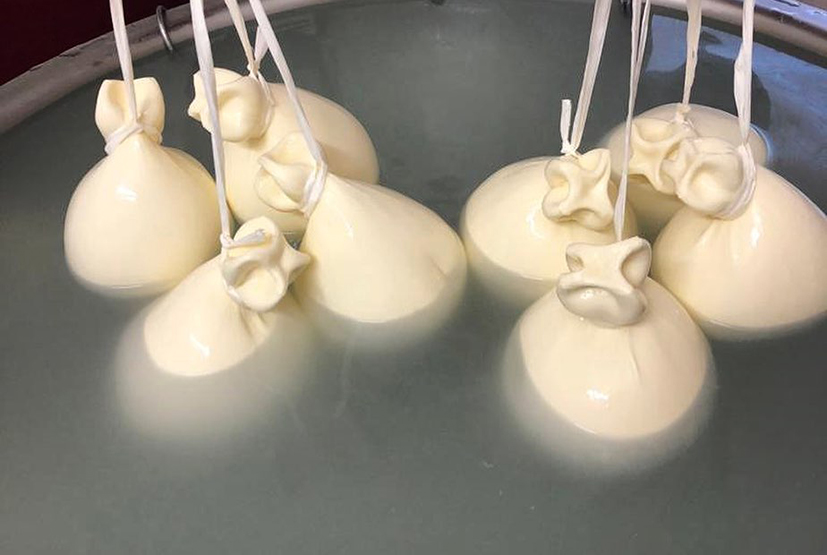
The next phase, perhaps the most distinctive in the production of this cheese, is the spinning of the curd. The curd is broken into small pieces, allowed to acidify, and then immersed in hot water. When it reaches the right elastic, stretchy consistency, it is manually worked into Casizolu’s typical pear shape.
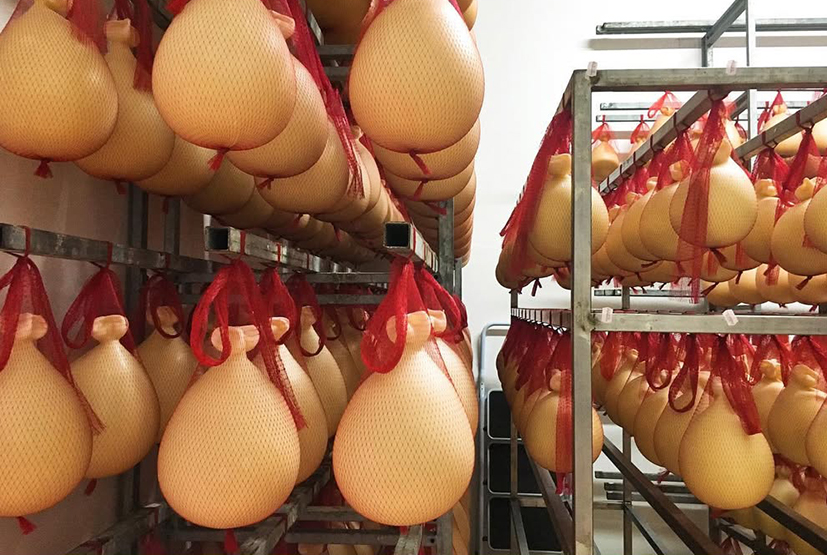
This shaping process, which requires great skill, involves stretching the spun curd and “closing” it with a rotational movement that gives the cheese its signature pear shape, complete with a pronounced “head.” After shaping, the Casizolu wheels are immersed in brine for about 24 hours, then aged in cool, humid rooms for a period ranging from 20 days to 5–6 months.
During the aging process, the cheese is periodically rubbed with olive oil, a practice that helps maintain the proper moisture of the rind and enhances the development of the characteristic aromas of this extraordinary pear-shaped cheese.
Organoleptic Characteristics
Each Casizolu wheel typically weighs between 500 grams and 2.5 kilograms.
The rind is thin and smooth, starting with a straw-yellow color that darkens as it matures, eventually developing amber or brownish hues. The paste is elastic and compact when the cheese is fresh, becoming more crumbly and grainy as it ages.
On the nose, Casizolu offers a complex aromatic bouquet, with notes of fresh milk, butter, and hay in younger cheeses. As it matures, it develops more intense and piquant aromas. The scent evokes the pastures of Montiferru, with hints of wild herbs grazed by the cows.
On the palate, this Sardinian cheese delivers a balanced flavor—sweet and slightly tangy when fresh, evolving into bolder, saltier, and spicier notes with aging. The texture is soft and melting, with a pleasant chewiness that gradually releases all its aromatic nuances.
Recognition and Protection
The cultural and gastronomic value of Casizolu has been recognized both nationally and internationally. This extraordinary Sardinian cheese has been included in the list of Italian Traditional Agri-food Products (PAT), a designation that certifies its historical roots and strong connection to its territory.
Moreover, Casizolu from Montiferru has been selected as a Slow Food Presidium, a project aimed at safeguarding traditional products at risk of extinction, supporting small-scale producers, and promoting local areas and artisanal methods.
These recognitions are not only a source of pride for the producers but also a form of protection that ensures the authenticity of the product and defends it from imitations. For consumers, they are a guarantee of quality and an invitation to discover one of Sardinia’s most fascinating cheeses.
How to Taste Casizolu
To fully appreciate Casizolu’s organoleptic qualities, it’s essential to follow a few simple tasting rules. First, it’s recommended to bring the cheese to room temperature before consumption—take it out of the fridge at least one hour in advance.
Young Casizolu (aged 20–60 days) is best enjoyed on its own, paired with rustic Sardinian bread and a glass of Vernaccia di Oristano or another structured white wine from the island.
More mature Casizolu (aged over 3 months) develops richer and more complex flavors, which pair wonderfully with fruit preserves, thistle or strawberry tree honey, and red wines like Cannonau di Sardegna.
In both cases, a complete sensory analysis is recommended: start by observing the shape and color, then smell to capture the aromas, and finally taste small portions, letting the cheese melt slowly in the mouth to release all its aromatic layers.
Where to Buy
The best way to buy authentic Casizolu is to go directly to the producers in Montiferru, visiting the small Sardinian dairies that keep this tradition alive. Many of these dairies offer the opportunity to watch the production process and taste different stages of aging.
Alternatively, Casizolu can be found at farmers’ markets on the island, where producers sell their goods directly. Some specialty shops focused on Sardinian cheeses and high-quality food, both on the island and the mainland, also offer this exceptional cheese.
For those who can't visit Sardinia, several online stores specializing in traditional Sardinian products ship Casizolu throughout Italy and, in some cases, internationally—making it possible for everyone to taste this gem of Sardinian cheesemaking.
Traditional Recipes
In traditional Sardinian cuisine, Casizolu is used in a variety of ways, both in elaborate dishes and in simpler preparations where it takes center stage. Here are some recipes in which this cheese truly shines:
-
Seadas with Casizolu: a twist on the classic Sardinian dessert, where the usual cheese is replaced with young Casizolu, offering an even more intriguing sweet-savory contrast.
-
With malloreddus: grated over pasta with tomato sauce or melted into a creamy sauce with milk and black pepper.
-
Zuppa gallurese with Casizolu: in this typical dish from Gallura (part soup, part baked casserole), the addition of Casizolu gives it a distinctive aromatic touch.
-
Grilled Casizolu: a simple yet extraordinary preparation—thick slices of aged Casizolu are grilled over hot coals until a golden crust forms on the outside, while the inside becomes soft and stretchy.
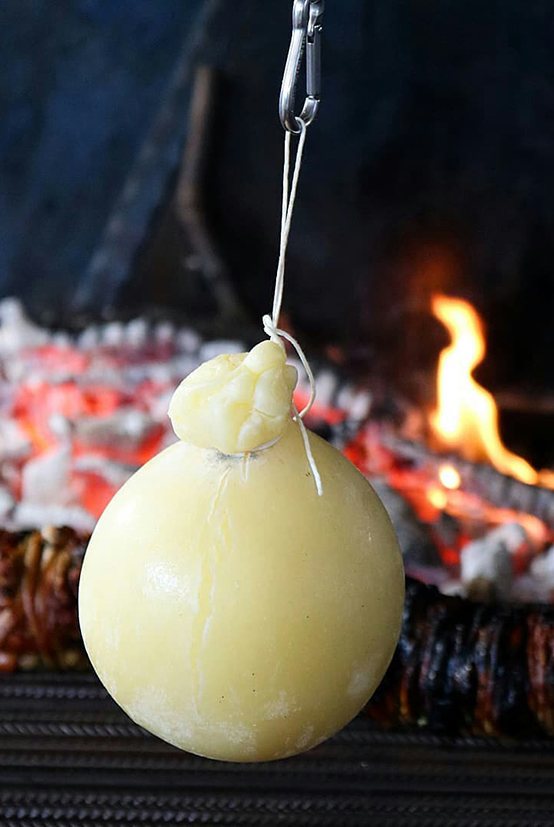
These recipes represent just a few of the many possibilities offered by this versatile pear-shaped cheese, which lends itself to numerous interpretations, both in traditional and innovative cuisine.
Fun Facts
The world of Casizolu is full of stories and curiosities that add to its charm. Here are some lesser-known facts about this extraordinary Sardinian cheese:
-
Casizolu was traditionally considered a "man's cheese", due to the considerable physical strength required, especially during the stretching and shaping phases. Nevertheless, it was almost always women who made it, demonstrating remarkable skill and endurance.
-
The pear shape is not just aesthetic, but also functional: it facilitates aging by allowing the cheese to be hung and lose moisture evenly.
-
There is a variation of Casizolu known as “Provoletta di Nuoro” or “Peretta”, produced in other parts of Sardinia with similar techniques but slight differences in the production process.
-
During traditional Sardinian festivals, Casizolu was often offered as a valuable gift, symbolizing prosperity and abundance.
-
Some shepherds in the Montiferru area flavor Casizolu with local herbs such as wild thyme or fennel, creating unique variations of this Sardinian cheese.
Conclusion
Casizolu is one of the most authentic treasures of Sardinian cheesemaking tradition—a product that encapsulates history, culture, and millennia-old flavors. This fine cow’s milk cheese stands out in a landscape dominated by sheep’s milk cheeses, showcasing the versatility and richness of the island's dairy heritage. Its production, still tied to artisanal methods and a deep respect for tradition, is a living testament to the ingenuity and dedication of the Montiferru shepherds.
Tasting this extraordinary pear-shaped cheese means embarking on a sensory journey to discover the most authentic Sardinia—a land of unspoiled pastures and ancient knowledge passed down through generations.
In an era where industrialization has standardized many food products, Casizolu remains a symbol of diversity and authenticity, a Sardinian cheese that tells the story of an island and its people. Its continued existence represents not only a gastronomic success but also a cultural victory—an example of how traditions can endure and continue to bring us extraordinary emotions and flavors.
If you find yourself in Sardinia, don’t miss the chance to taste this exceptional local product, preferably straight from one of the small dairies where it’s still made. It will be an unforgettable experience that will enrich your trip and allow you to grasp the deepest essence of this wonderful island.
This article is part of the series "Gastronomic Treasures of Sardinia", dedicated to exploring the island’s culinary traditions. For more about Sardinian specialties, check out the other articles in the section.
Enjoyed this article?
Support my work and help me create more Sardinia travel guides like this one.

Subscribe to my Newsletter